Can Foreigners Buy an Akiya in Japan?
By Minseon
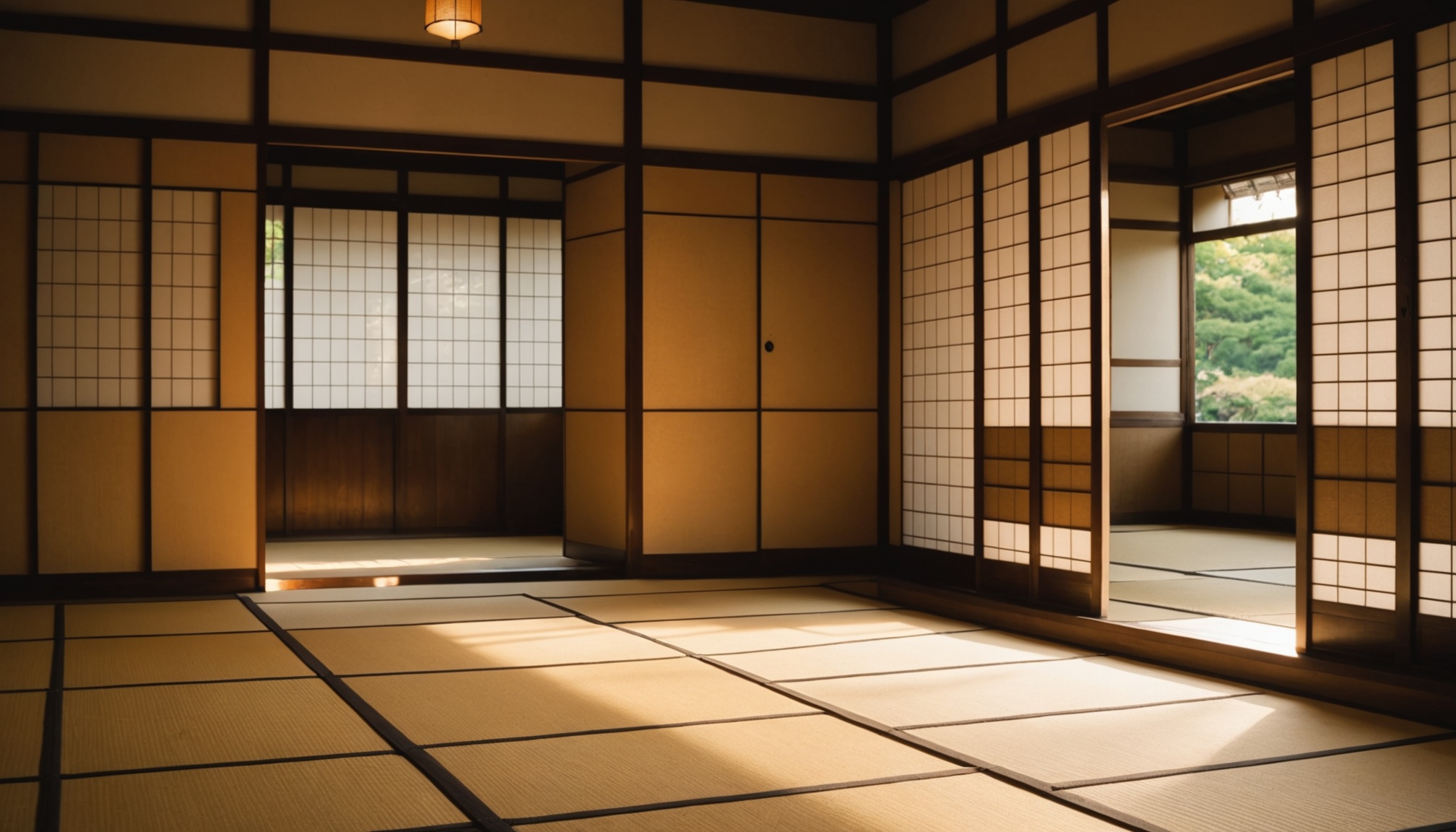
One of the questions I hear most often on my tours is some version of: “Wait — can I actually buy one of these?” People stand in the middle of a restored akiya, sunlight coming through the old shoji screens, and you can almost see the dream forming. So let me give you a real answer.
The short version: yes, foreigners can legally buy property in Japan, including akiya. But the full picture is more nuanced than a simple yes or no.
Japan Has No Restrictions on Foreign Property Ownership
This surprises a lot of people. Unlike many countries that limit or complicate foreign land ownership, Japan places no legal restrictions based on nationality. A non-Japanese citizen can purchase land and buildings in Japan under the same legal framework as a Japanese national. There’s no requirement to be a resident, no special visa tied to ownership, and no cap on how much you can own.
On paper, the process is the same for everyone.
Where It Gets Complicated
In practice, buying an akiya as a foreigner involves a set of real challenges that don’t show up in the official rules.
Language. Most akiya listings, municipal akiya banks, and real estate contracts are entirely in Japanese. Machine translation gets you partway there, but property documents have precise legal language where mistranslations can matter. Having a bilingual agent or a trusted interpreter isn’t optional — it’s essential.
Navigating the akiya bank system. Japan’s akiya banks are managed at the municipal level, and each one works differently. Some are straightforward; others require an application process, proof of intent, or a meeting with local officials. Listings are often inconsistent or incomplete. Knowing which properties are actually available — and to whom — takes local knowledge.
Finding a cooperative real estate agent. Not every agent is comfortable working with foreign buyers, especially on rural properties where the transactions are small and the paperwork is complicated. Finding someone who genuinely understands your situation and has experience with this kind of deal makes an enormous difference.
Building local trust. This is the part that’s hardest to explain from the outside. Many akiya are in small communities where neighbors have watched a house sit empty for years, maybe decades. They have opinions about what happens to it next. Your nationality matters far less than your intentions — but communicating those intentions clearly, across a language barrier, to people who didn’t ask for a foreign neighbor, takes patience and cultural awareness.
Get the akiya cost breakdown we won't publish publicly
Join for renovation numbers, contractor lessons, sourcing notes, and behind-the-scenes updates from our Tokyo akiya.
Municipal Conditions to Watch For
Some rural municipalities attach conditions to akiya properties — especially ones listed through their akiya banks. These can include renovation requirements (you may need to commit to restoring the property within a certain timeframe), residency commitments (some programs expect you to actually move in, not use it as a vacation home), and approval from local community associations.
These conditions vary widely. What applies in one town may not apply in the next village. Always read the fine print and ask directly before falling in love with a listing.
The Financing Question
This is where non-residents face the biggest practical barrier. Japanese mortgages typically require residency — often permanent residency or a long-term visa. If you’re buying from abroad without Japanese residency, you’ll generally need to finance the purchase yourself.
For many akiya, the purchase price itself is low — sometimes surprisingly so. But renovation costs are where the real money goes, and those can be substantial. Having a realistic picture of total project costs before you commit is crucial.
It’s About Commitment, Not Nationality
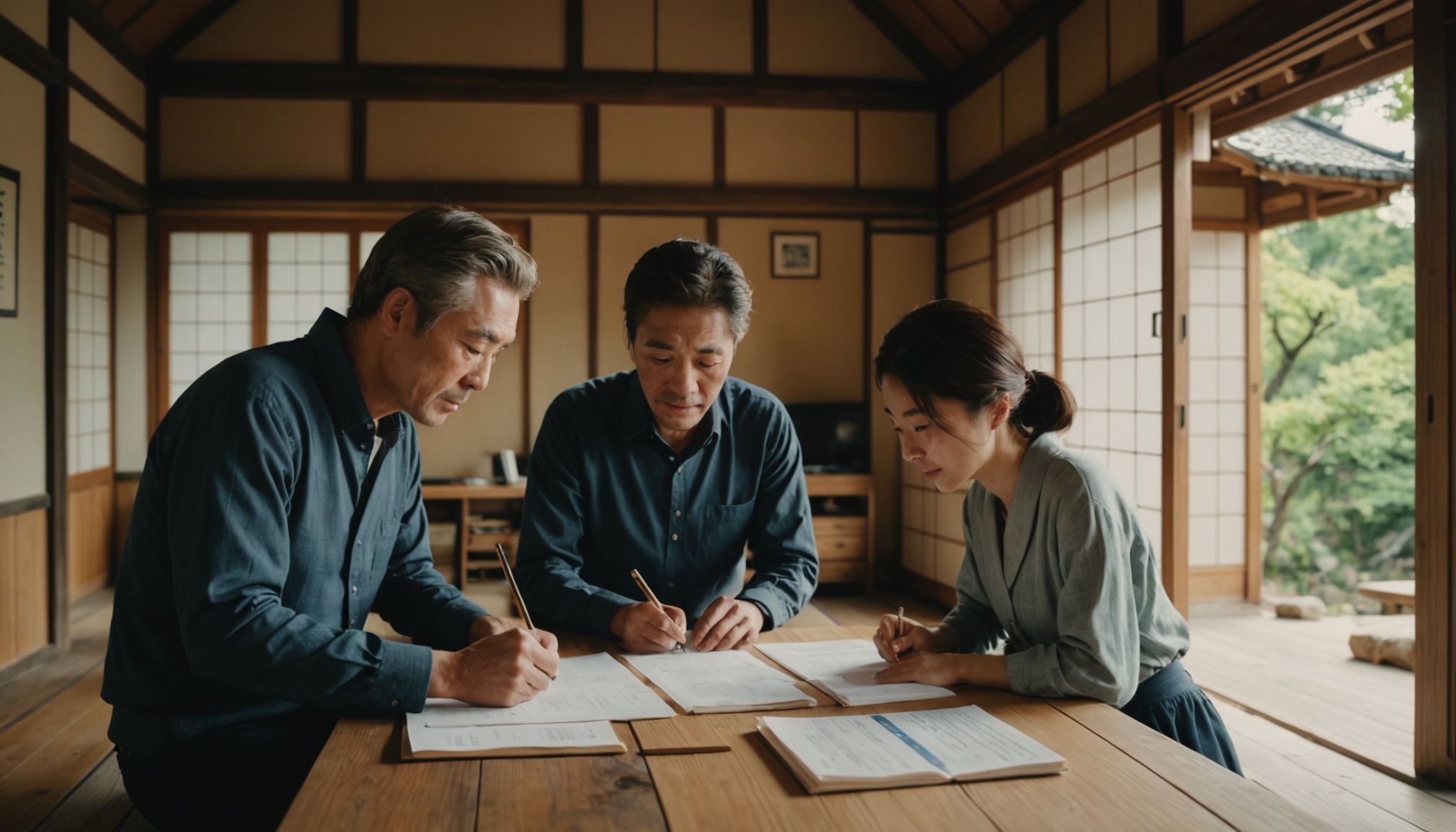
I’ve come across people from all over the world who have successfully navigated this process — Americans, Europeans, Southeast Asians — and the ones who do well share something in common. They approached it with patience, humility, and genuine respect for the community they were joining. They weren’t looking for a bargain. They were looking for a home, or a project they believed in.
Japanese communities, in my experience, respond to that. They can tell the difference between someone chasing a trend and someone who’s serious.
See What the Commitment Actually Looks Like
All of this is easier to understand once you’ve stood inside a real akiya — one that’s been through the full arc, from the state it was found in to the home it became. You can read about rotted beams and seismic reinforcement and hand-laid tile, but it lands differently when you’re looking at it.
That’s what my tour is for. If you’re seriously considering buying an akiya, come see what the process actually involves — the beauty of it, and the honesty of it.
👉 Join the Akiya Restoration Tour on Airbnb Experiences
Related reading: Do you need a visa to buy property in Japan? · How to find an akiya in Japan · How much does an akiya cost? · What is akiya restoration?
Get the akiya cost breakdown we won't publish publicly
Join for renovation numbers, contractor lessons, sourcing notes, and behind-the-scenes updates from our Tokyo akiya.
Want the real akiya numbers, not just the pretty photos?
Subscribe for renovation cost breakdowns, contractor lessons, antique finds, and the next story before casual visitors see it.
No spam. Just the strongest restoration stories, real costs, and occasional tour news.