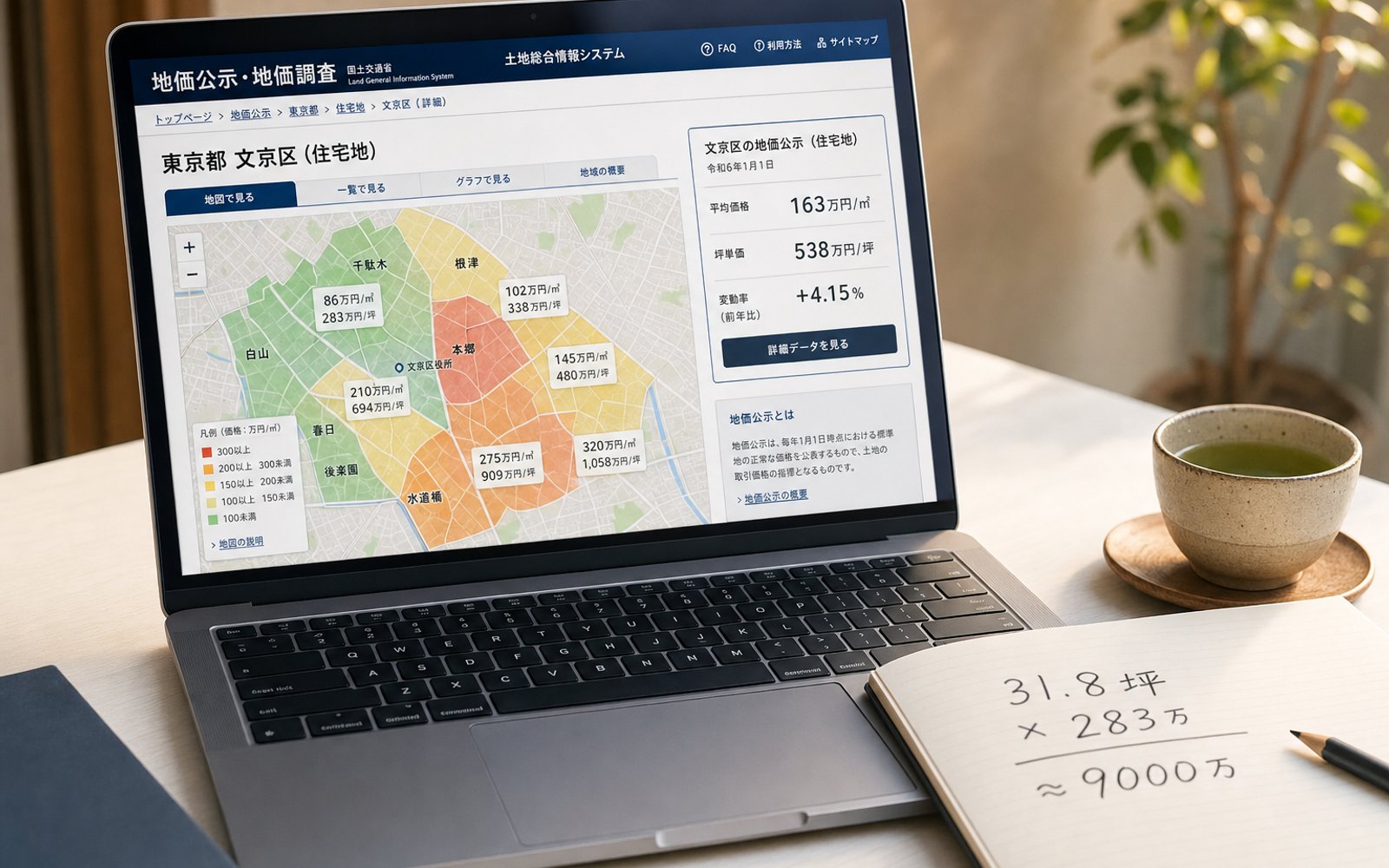
Navigating Property Prices in Japan: How to Avoid Overpaying
Japan lacks the open sales-history databases of the US or UK. Here's how I used official land registries (公示地価) to set a fair baseline value for my akiya.
Stories, lessons, and practical tips from restoring a forgotten 1980s akiya in Setagaya, Tokyo.
If you're trying to understand akiya from the practical side, these are the best first reads.
Japan lacks the open sales-history databases of the US or UK. Here's how I used official land registries (公示地価) to set a fair baseline value for my akiya.
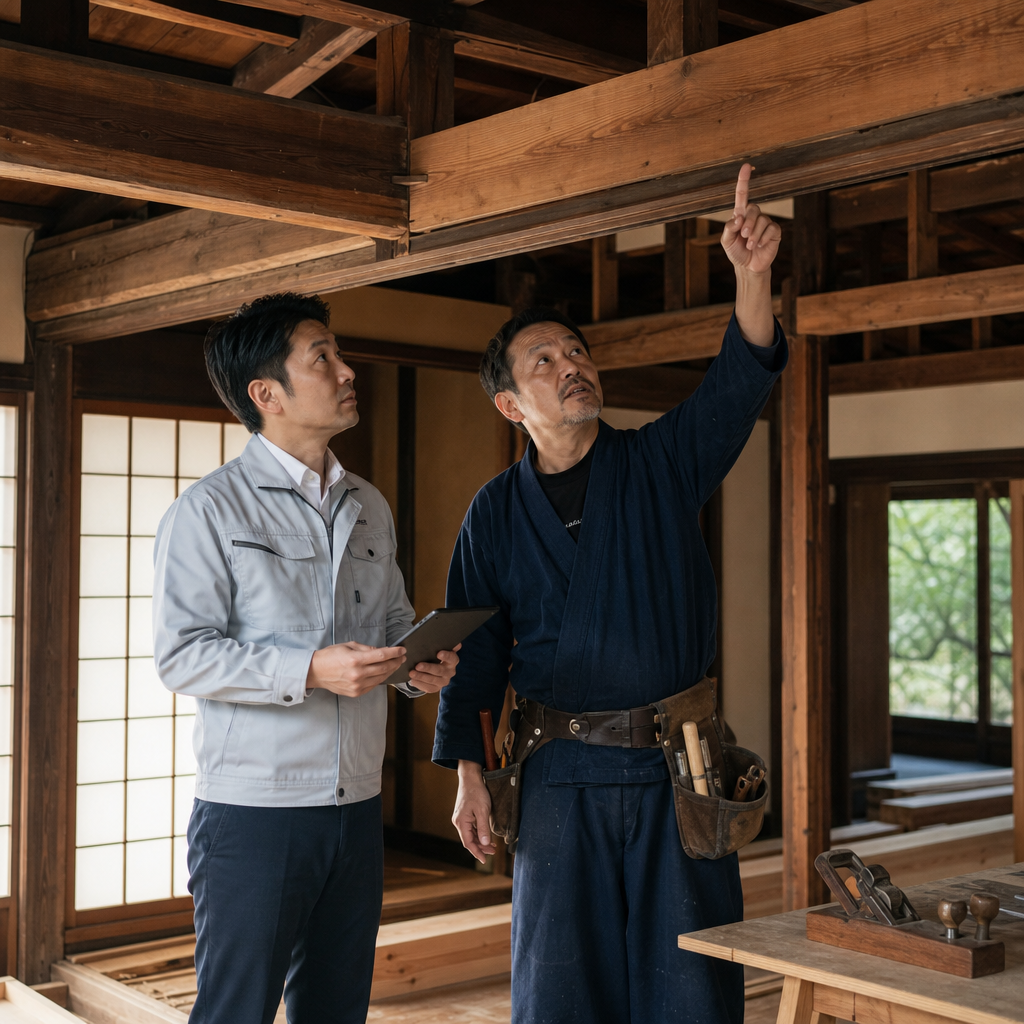
Finding a contractor you can trust is the hardest part of any akiya renovation. Here's exactly where to look, what to ask, and how to avoid the mistakes that cost us months and ¥1.5M in rework.
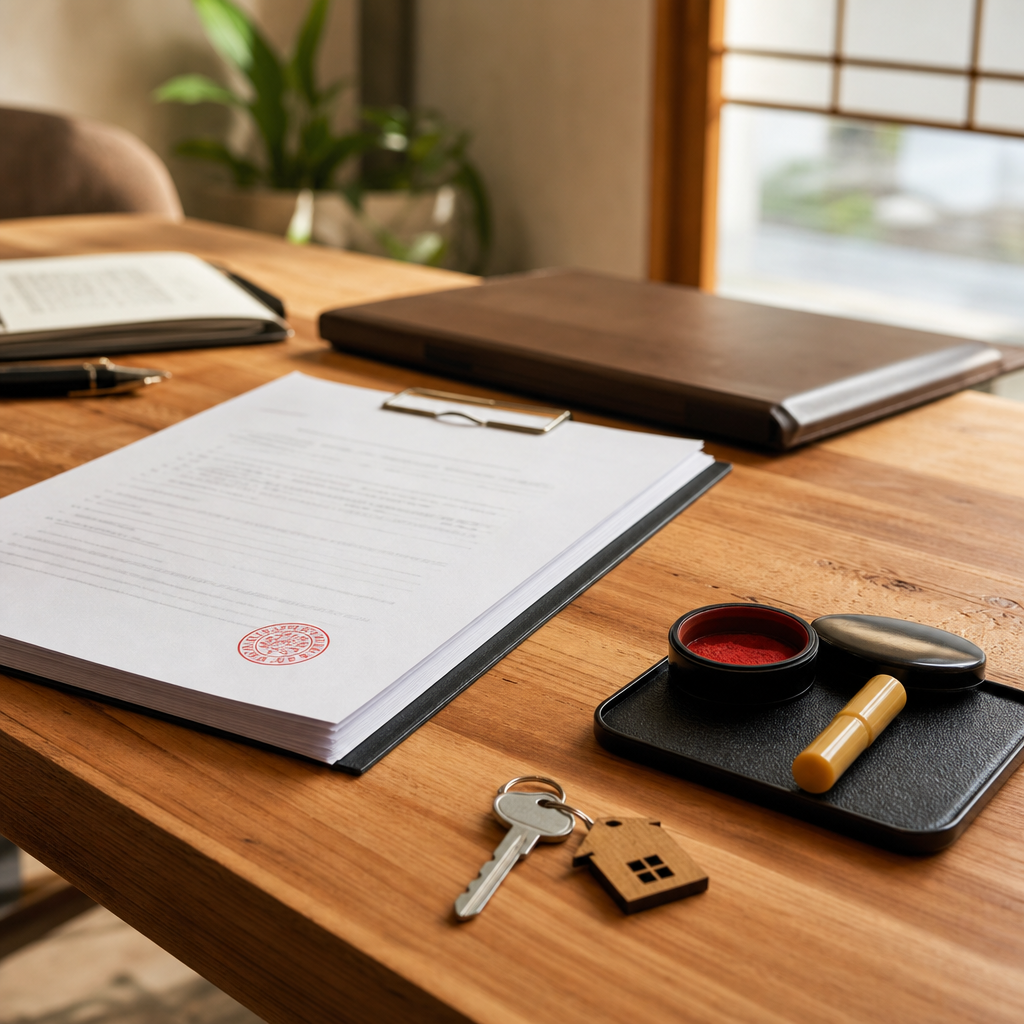
The final step of buying an akiya in Japan involves a notary, multiple stamps, and a registration process that feels opaque from the outside. Here's what actually happens at closing — and how to navigate it as a foreigner.
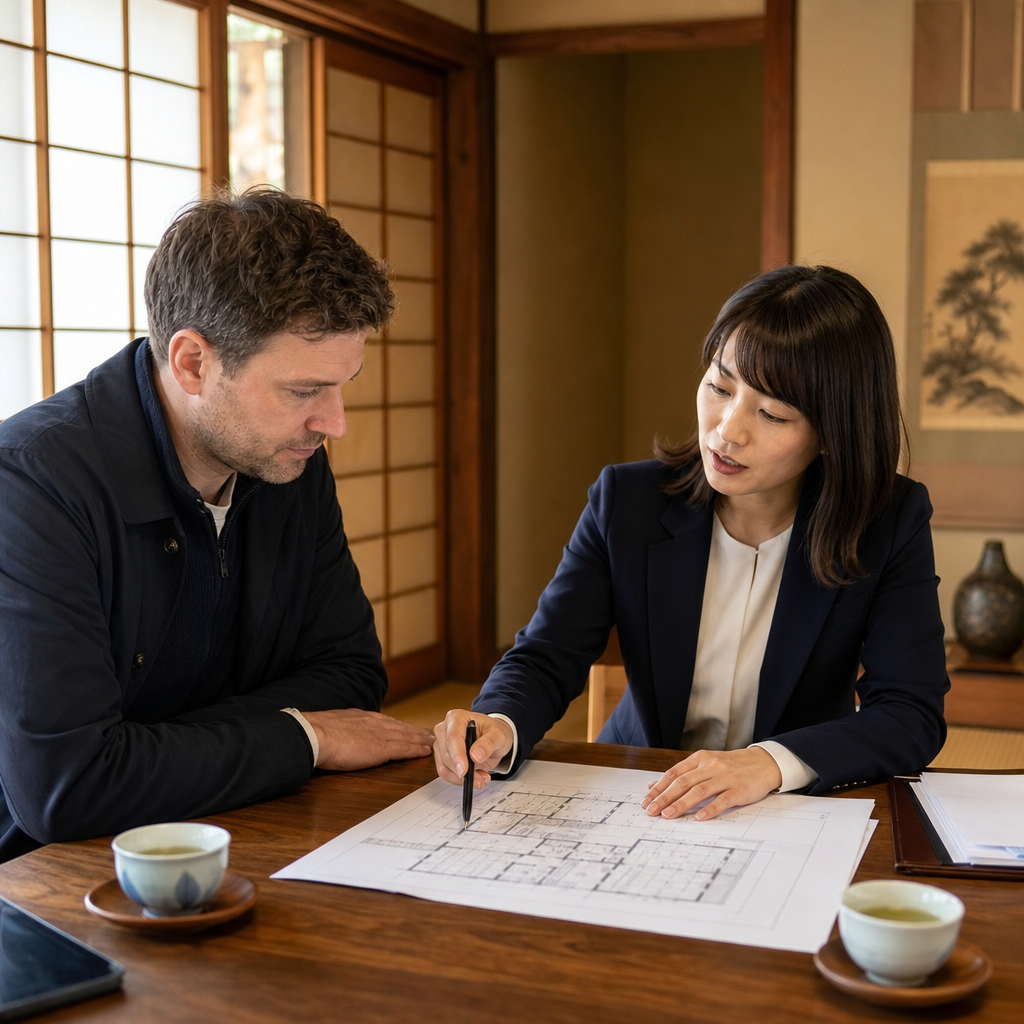
The language barrier is real, but it's not a dealbreaker. Here's how we navigated the entire akiya purchase process — offers, contracts, closing — with limited Japanese, and what we'd do differently.
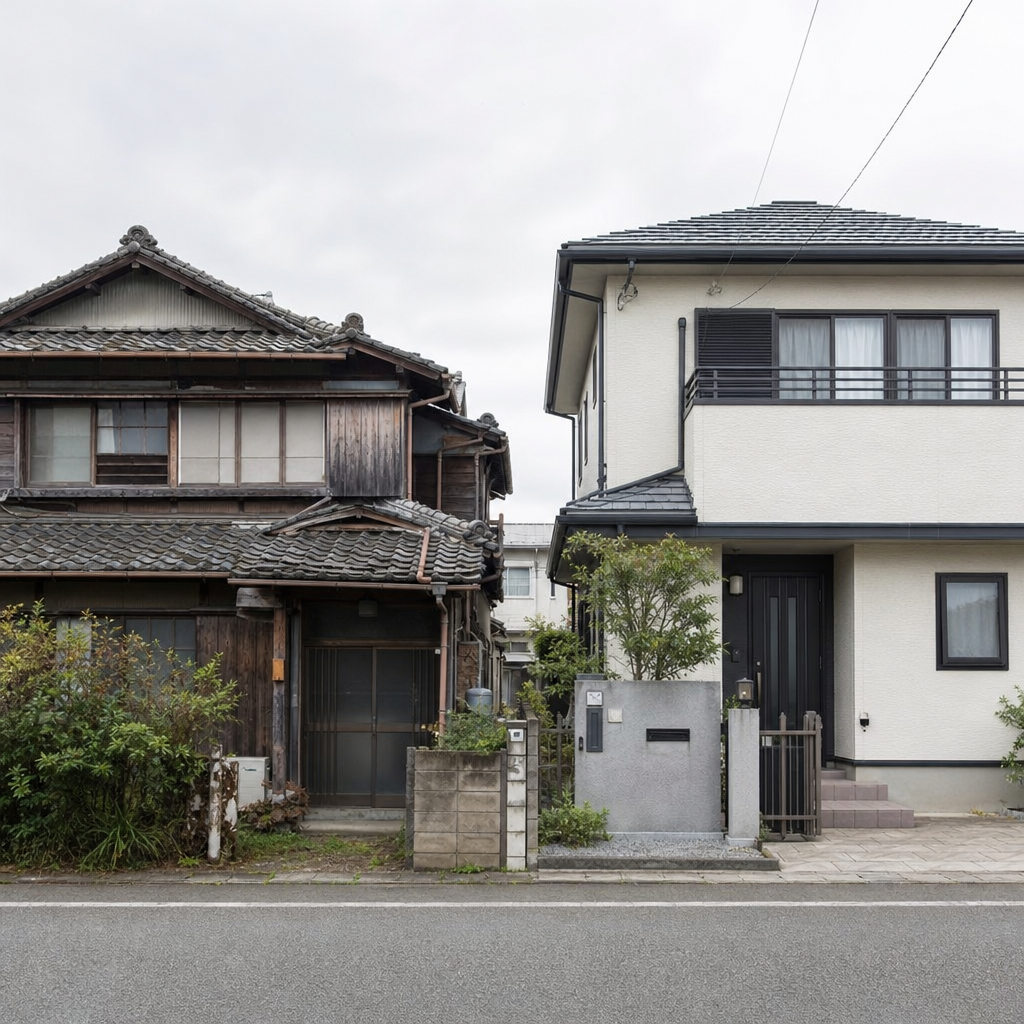
Wondering how an akiya compares to a regular house in Japan? Here's the honest breakdown — purchase process, renovation costs, legal status, and what makes them fundamentally different.
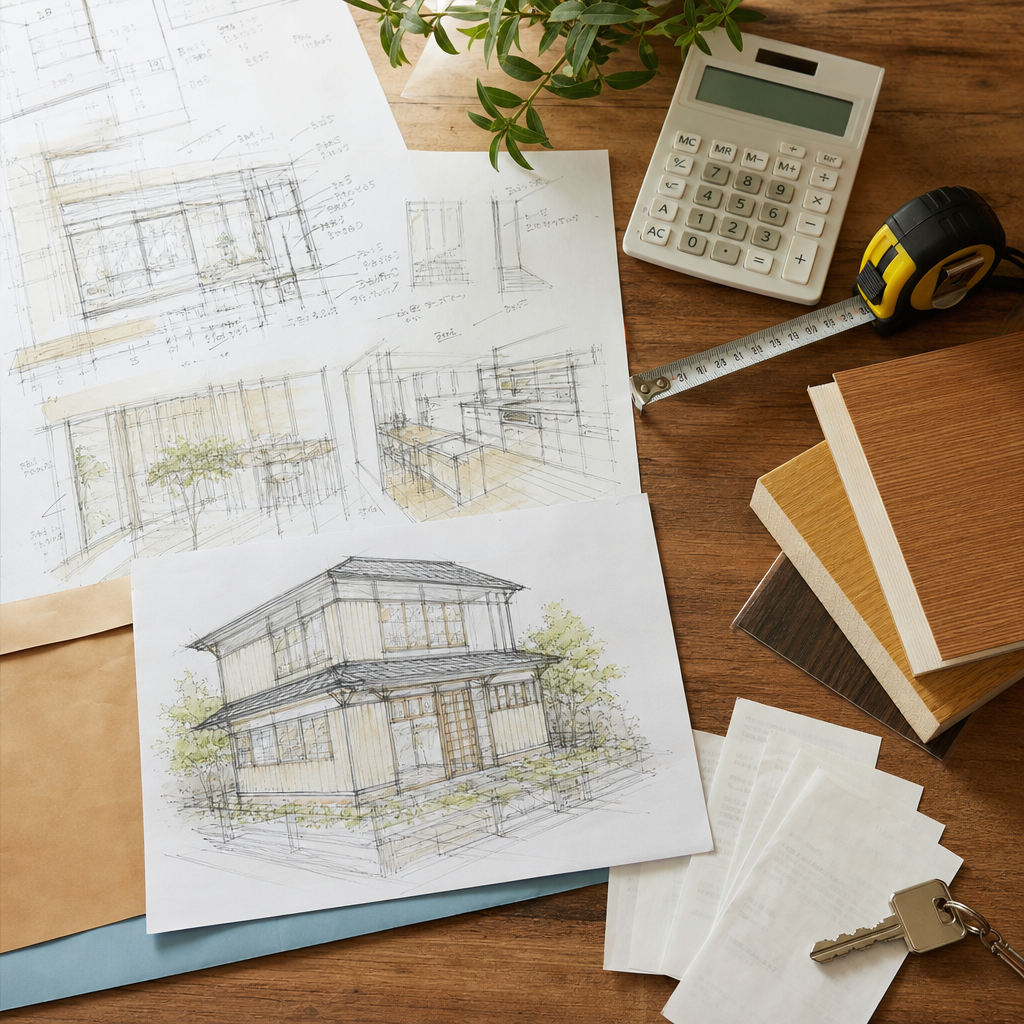
The ¥1 house headlines are real — but they're not the whole story. Here's what abandoned houses in Japan actually cost to buy, and why the purchase price is usually the smallest part of the investment.
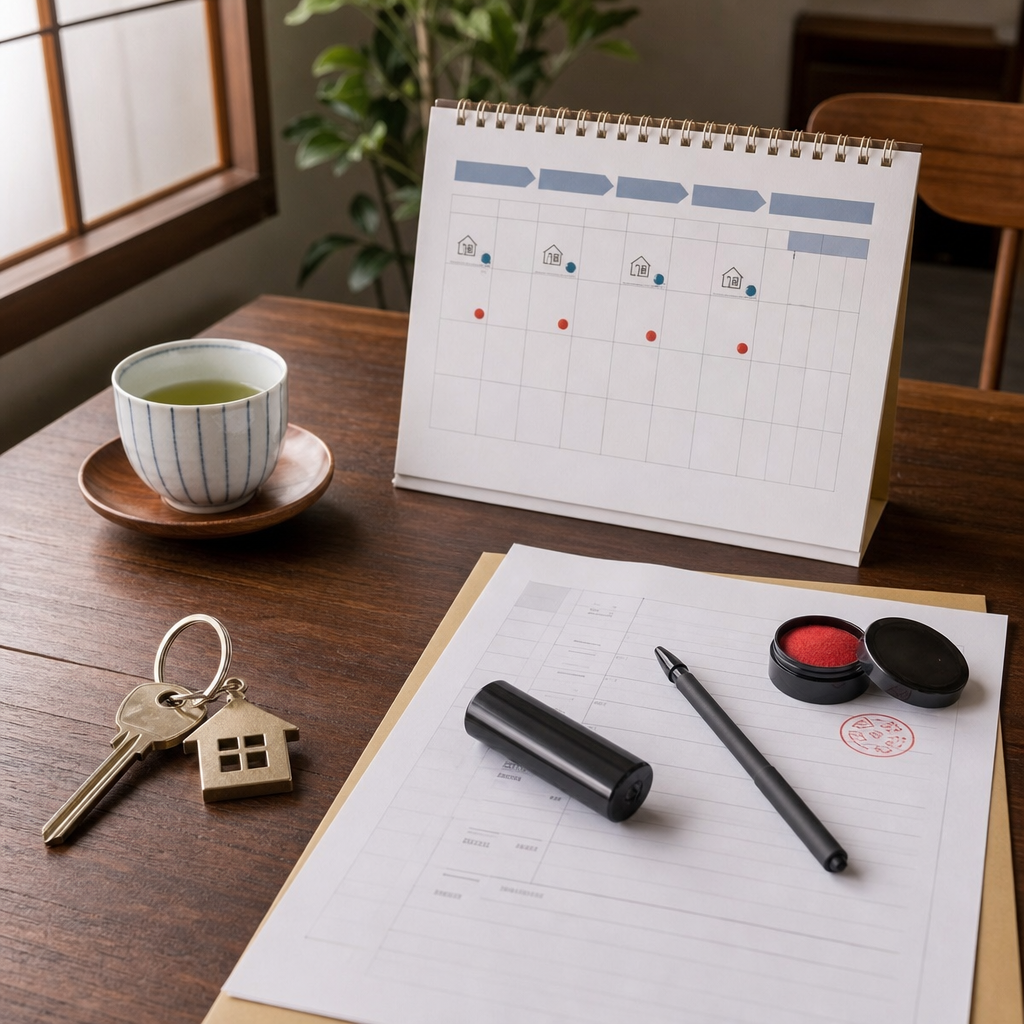
Most guides skip this question entirely. Here's a realistic timeline for buying an akiya in Japan — from first search to completed purchase — and why the process moves at a pace most Western buyers find surprising.

Most foreigners assume cash-only — but some get mortgages. Here's which banks lend to non-residents, what collateral they require, and why the 'no mortgage' narrative is mostly outdated. Includes what we were actually offered.
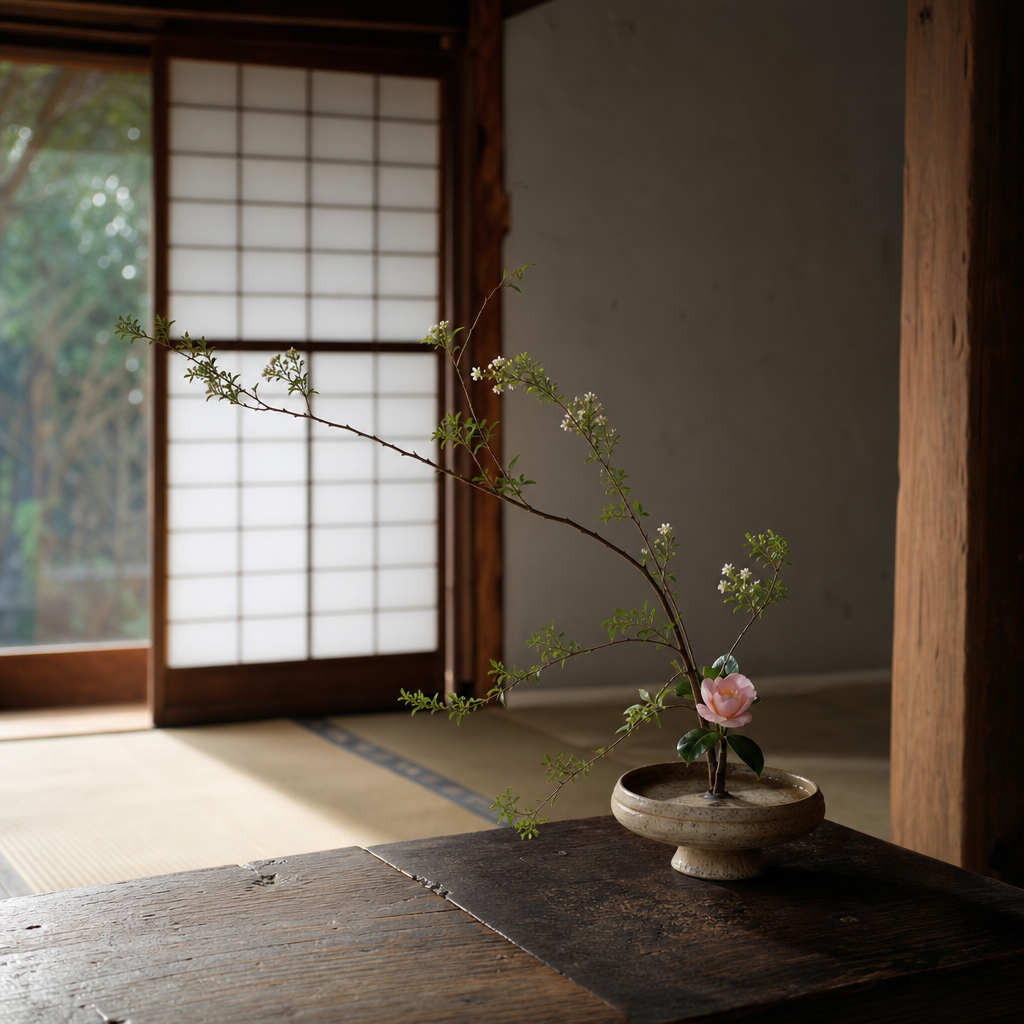
A simple ikebana arrangement became a reminder that restoring an akiya is not just about property or renovation costs. It is also about stillness, attention, and learning a different rhythm of life in Japan.
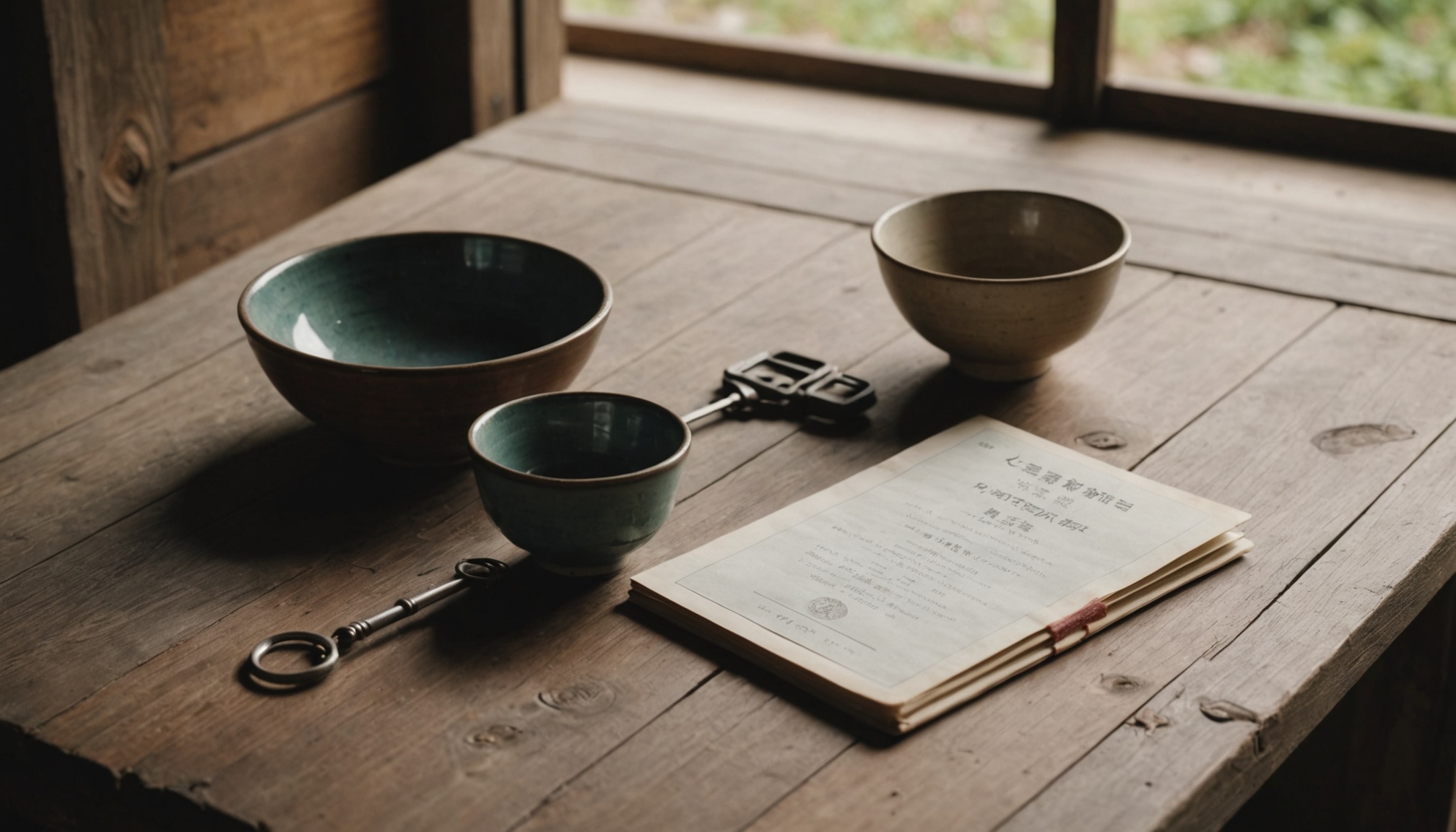
You don't need a visa to own property in Japan — but there are important things to understand about what ownership does and doesn't give you. Here's the honest answer.
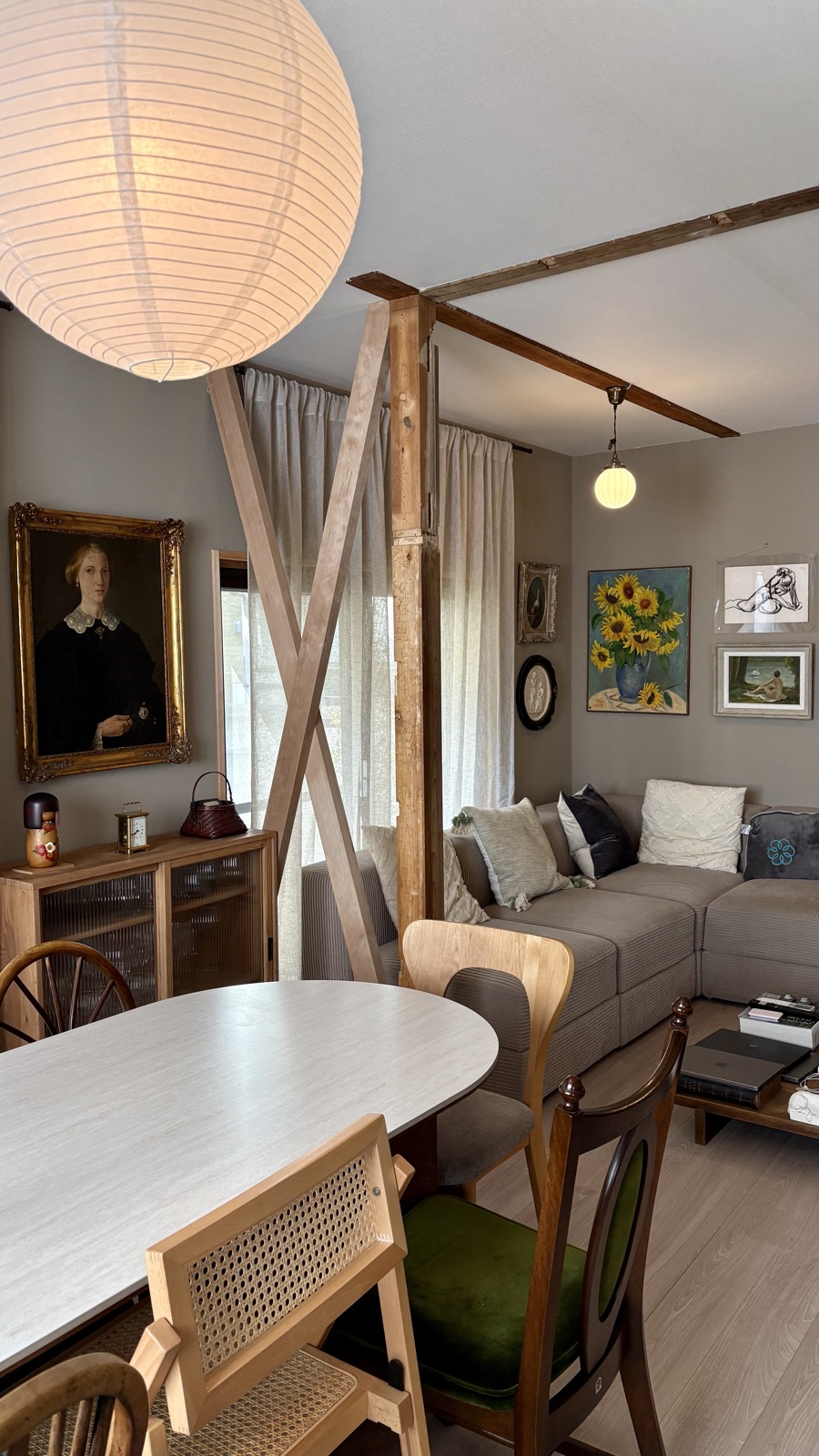
Curious about visiting a restored akiya in Tokyo? Here's exactly what the tour looks like — from meeting at Komazawa Daigaku station to stepping inside a house that almost disappeared.
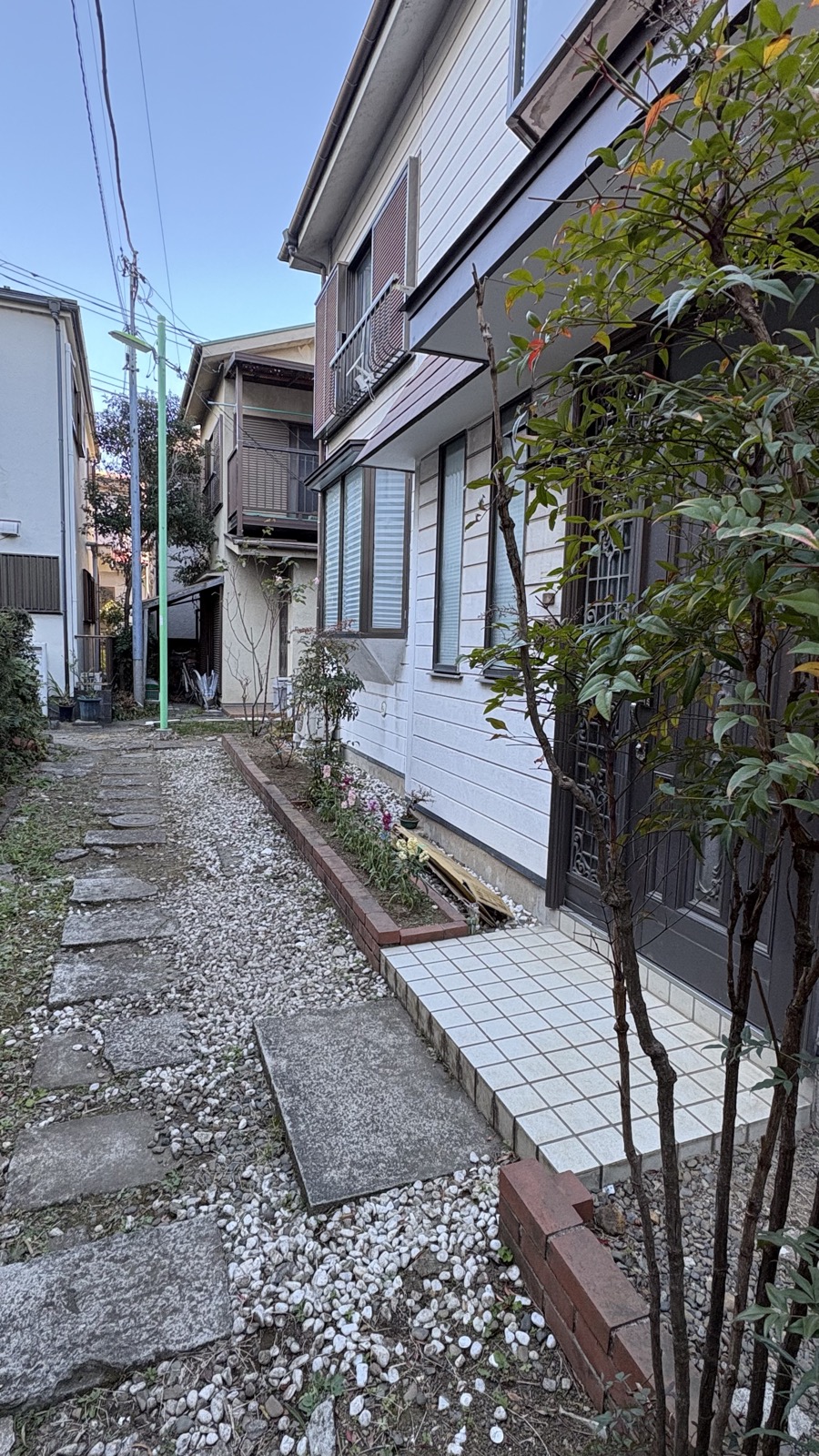
Japan has no legal restrictions on foreigners buying property — but can you really buy an akiya as a non-resident? Here's what the process actually looks like.
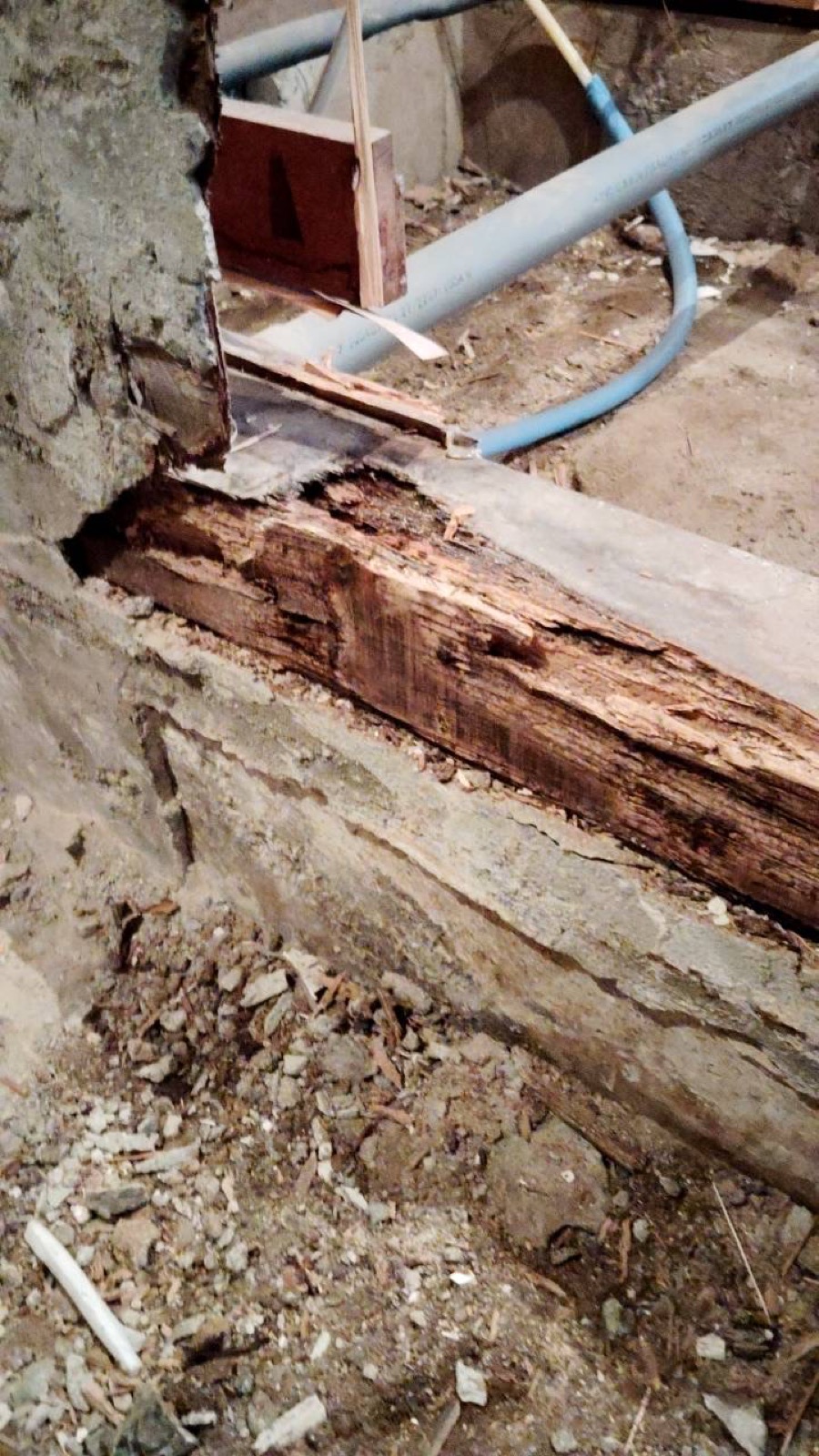
Everyone talks about cheap or free abandoned houses in Japan. Nobody talks about what comes after. Here's what the akiya renovation budget articles don't tell you.
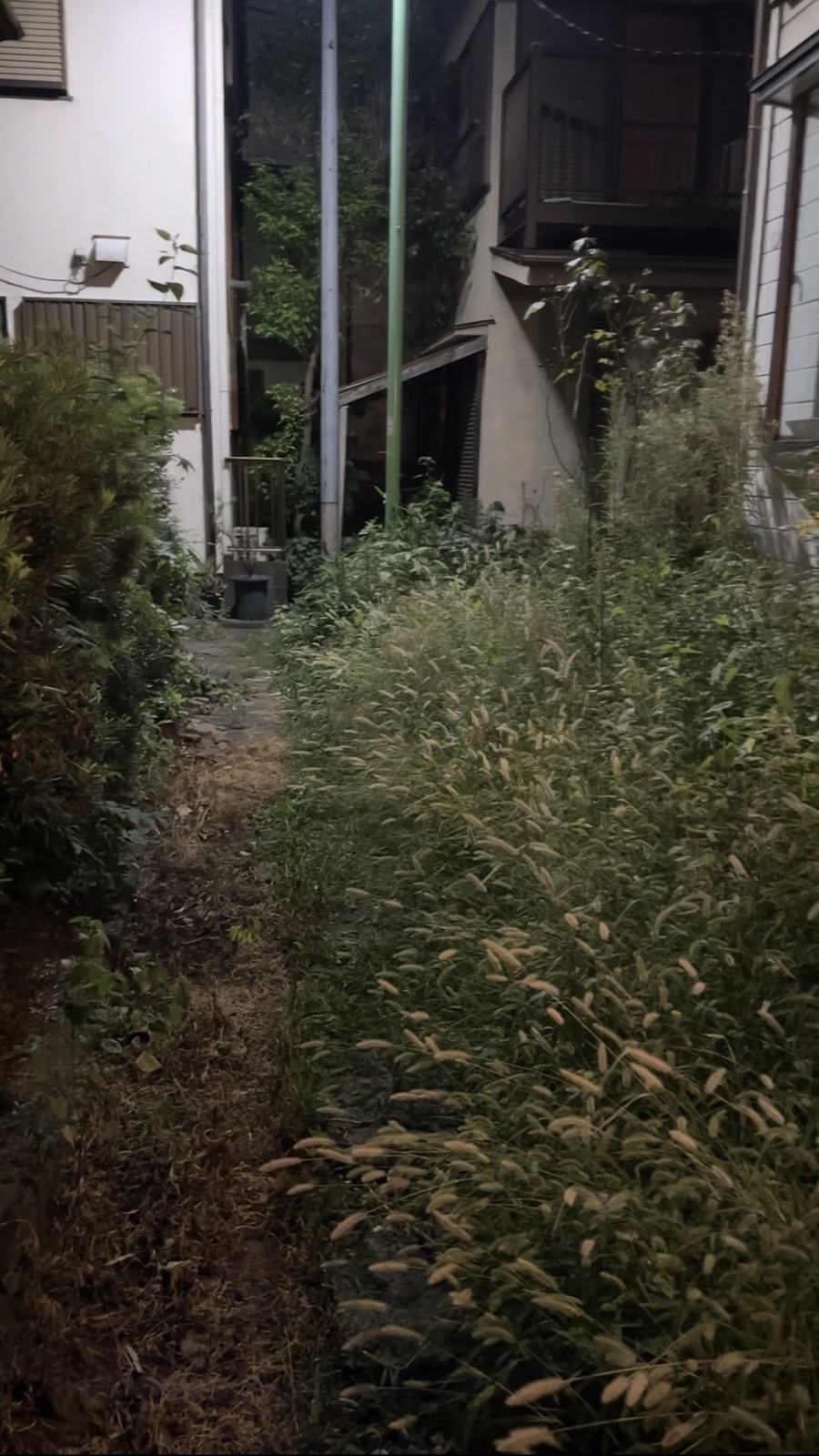
Over 8 million empty houses sit across Japan, but finding the right one takes more than a Google search. Here's how akiya banks, local agents, and community connections actually work.
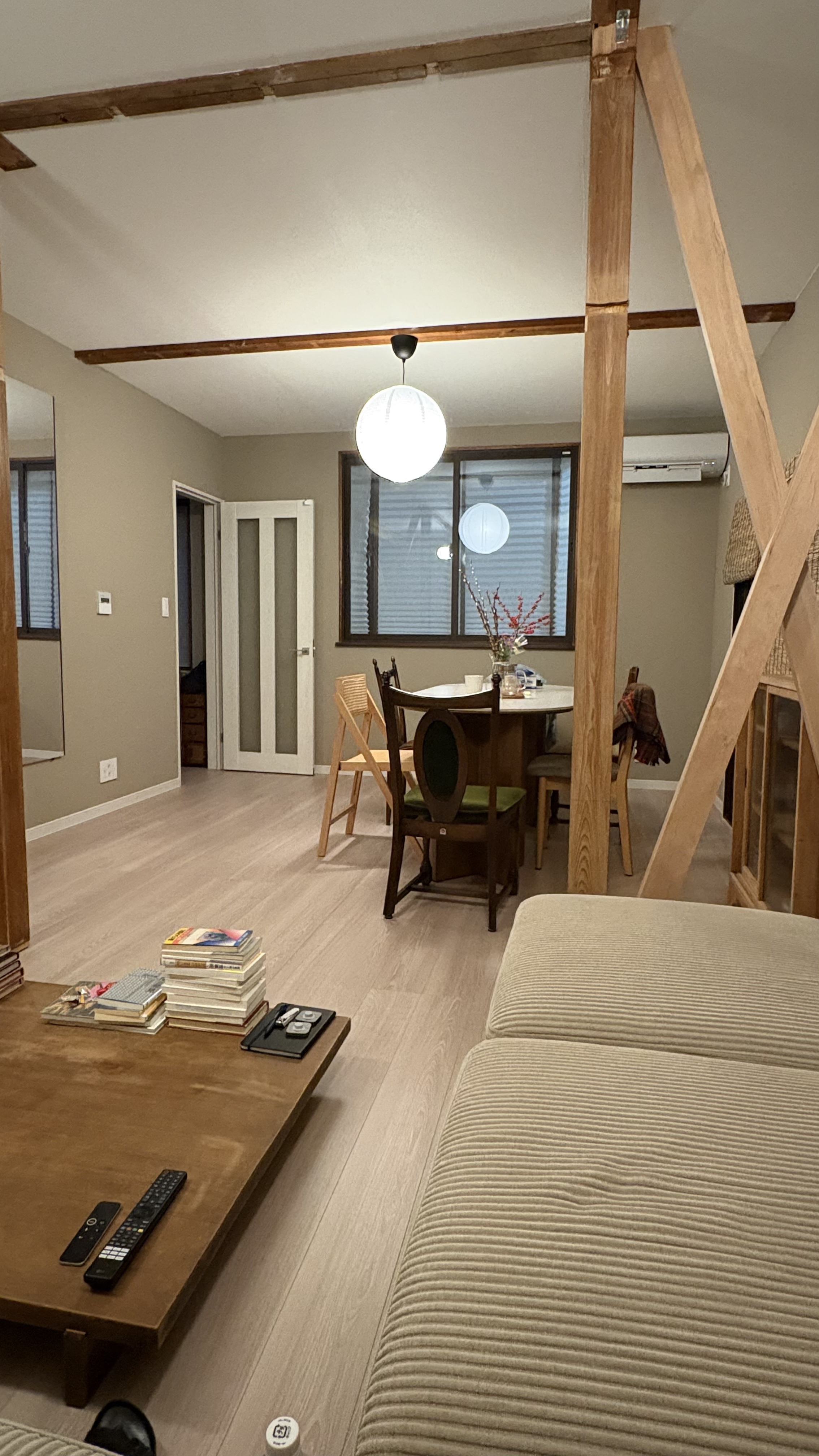
Six months in our 1980s Setagaya akiya: the tatami smell, the cold mornings, the sounds that don't exist in modern apartments. What nobody tells you about daily life in a restored Japanese countryside house.
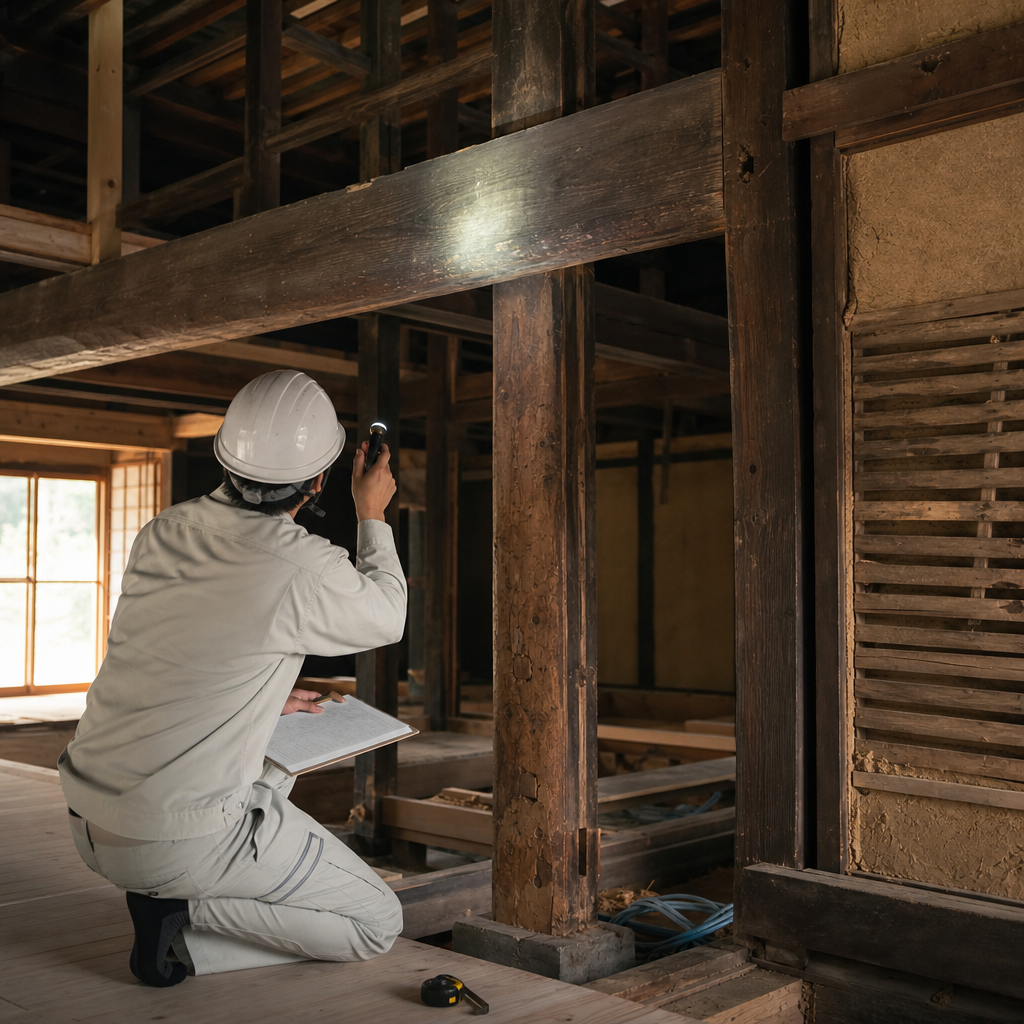
Japan's building codes changed in 1981 for a reason. Here's what that date divide actually means for your safety, which old houses need structural work, and what seismic retrofitting costs in Tokyo — with real numbers from our pre-1981 akiya.
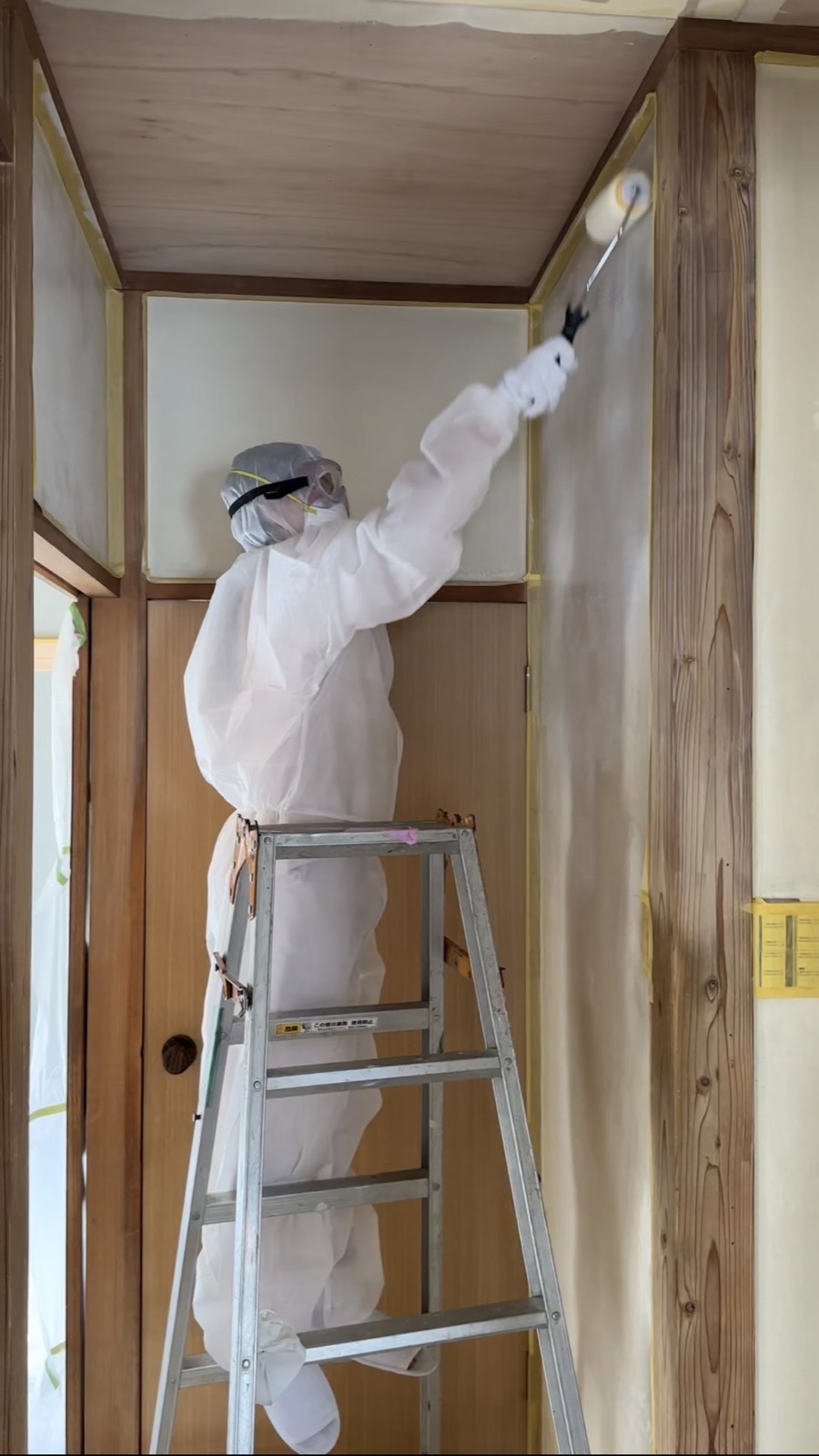
Shikkui — Japan's traditional lime plaster — applied in our Tokyo akiya: what it smells like, how it feels, the surprising health benefits, and whether it's worth the cost over standard drywall.
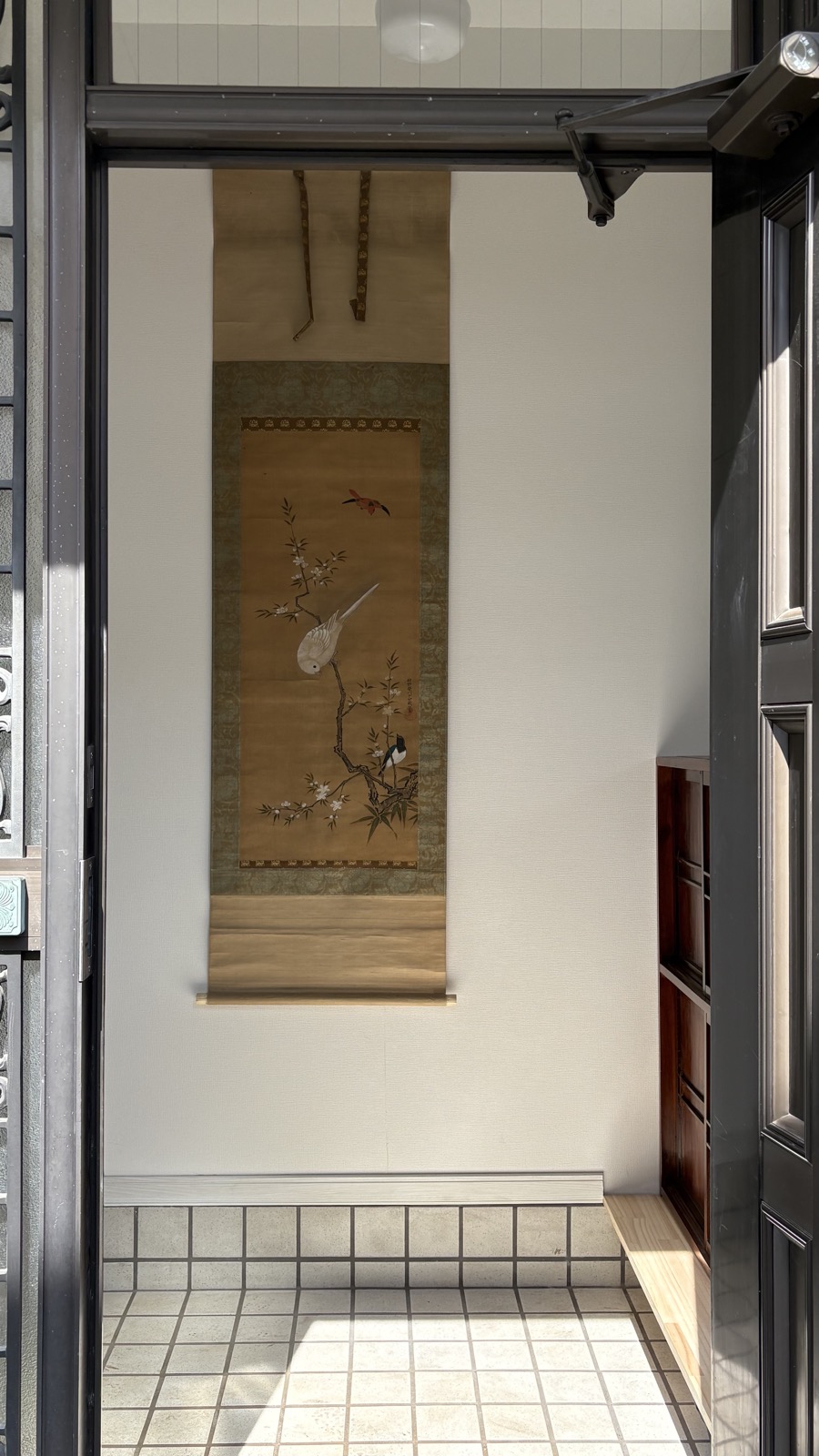
Most homes in Japan are rebuilt every 30 years. But some owners choose to restore instead — keeping the original structure, the tatami rooms, the timber. Here's who kominka restoration appeals to and what it actually costs.
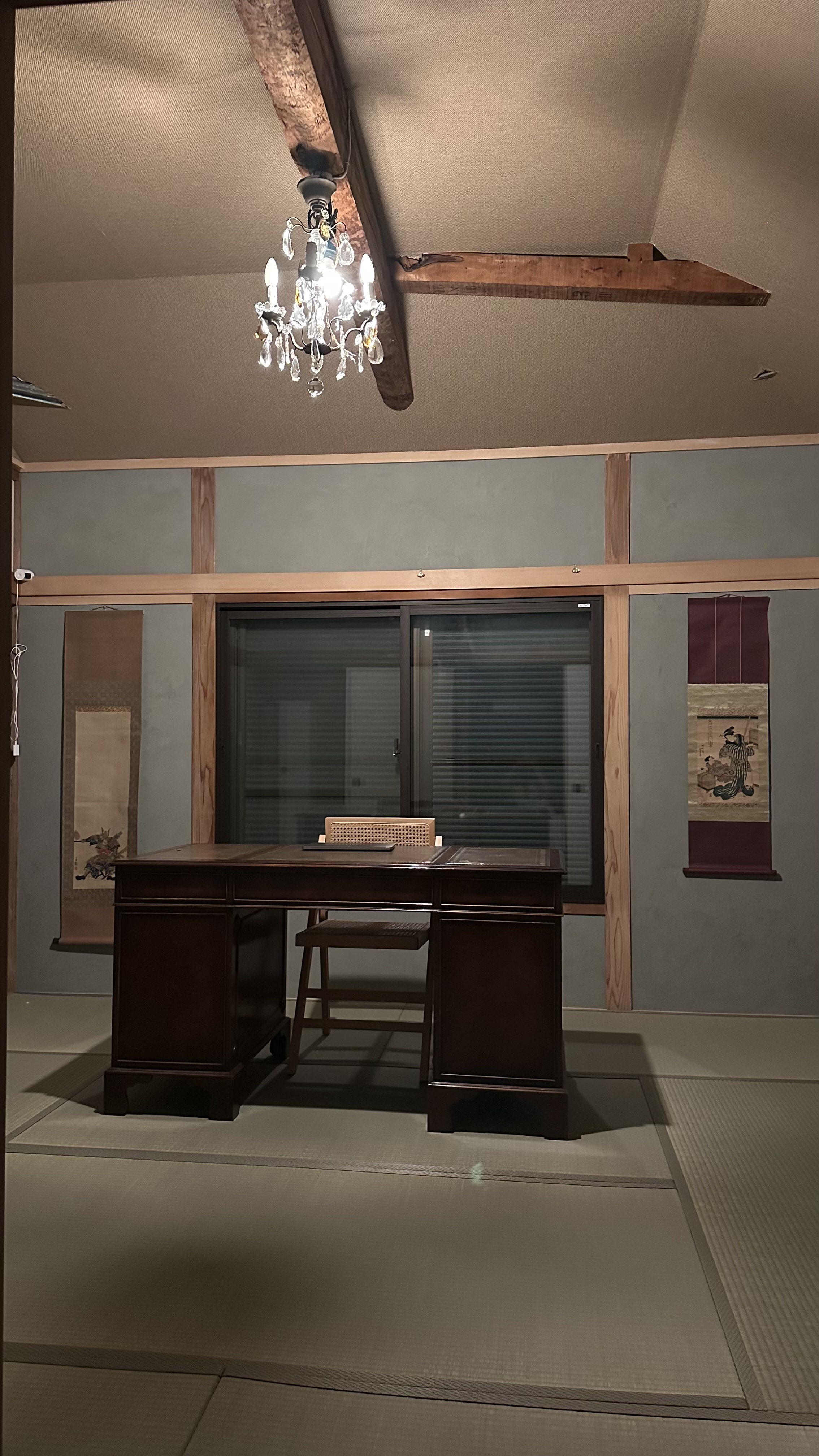
A tatami room is one of Japan's most quietly beautiful spaces — layered with texture, scent, and history. Here's what makes a washitsu so special, and why so many akiya still have one waiting to be rediscovered.
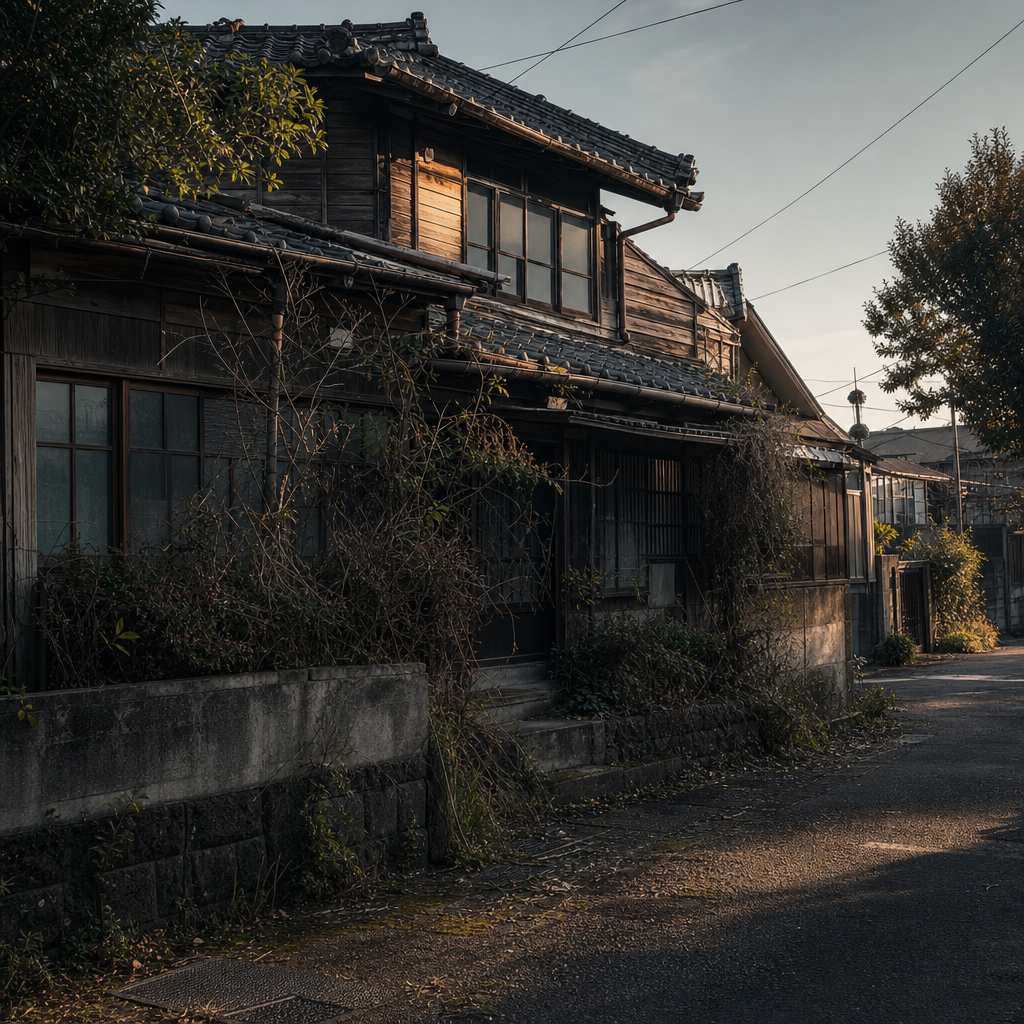
Over 9 million empty houses — and rising. Japan's akiya problem has real causes: an aging population, a rebuild culture, broken inheritance economics, and zoning laws that make renovation harder than teardown. Here's the real story.
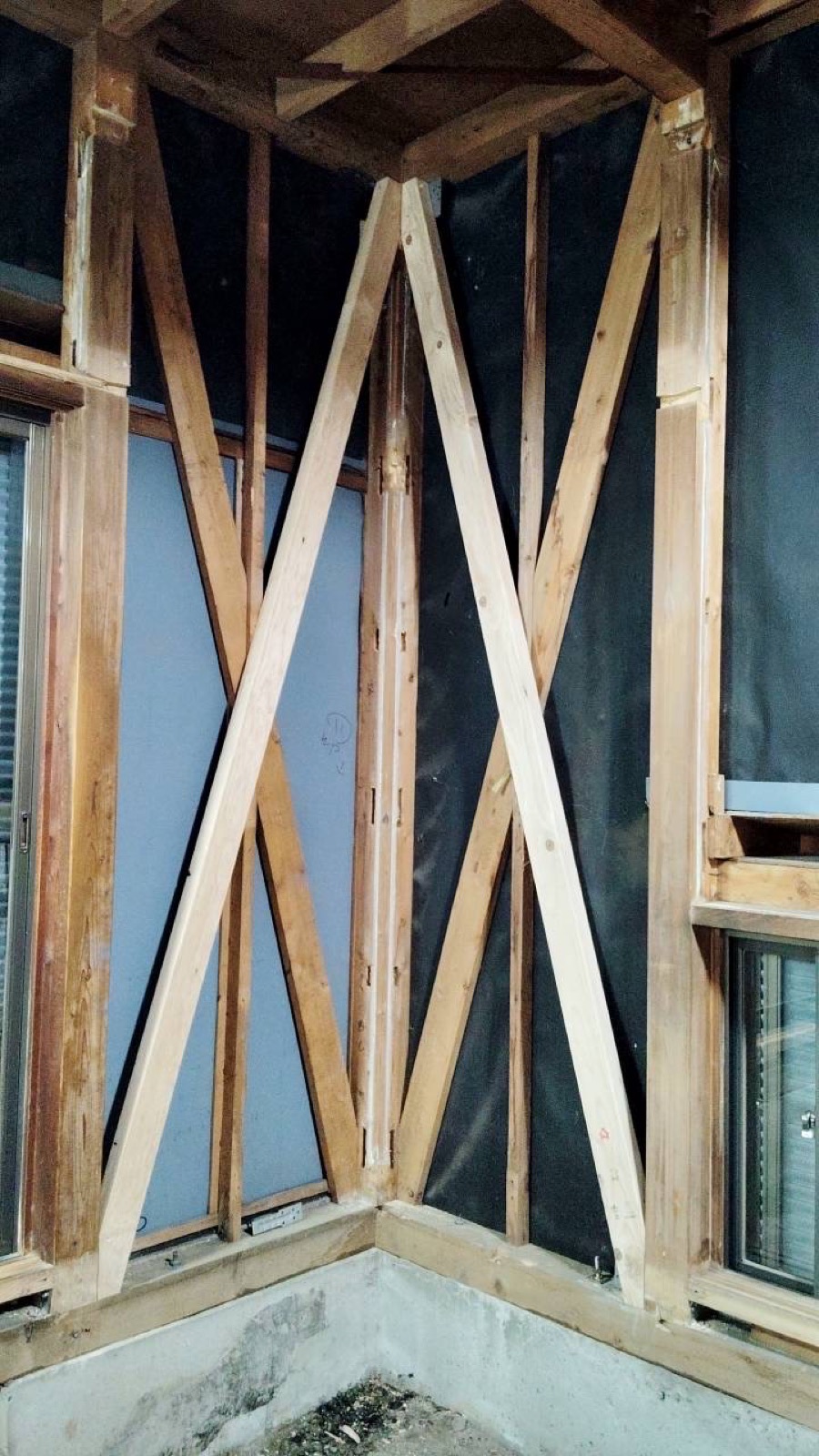
Seismic retrofitting a pre-1981 Tokyo akiya: real costs, step-by-step process, and what nobody tells you before you start. Includes Setagaya ward subsidy info.
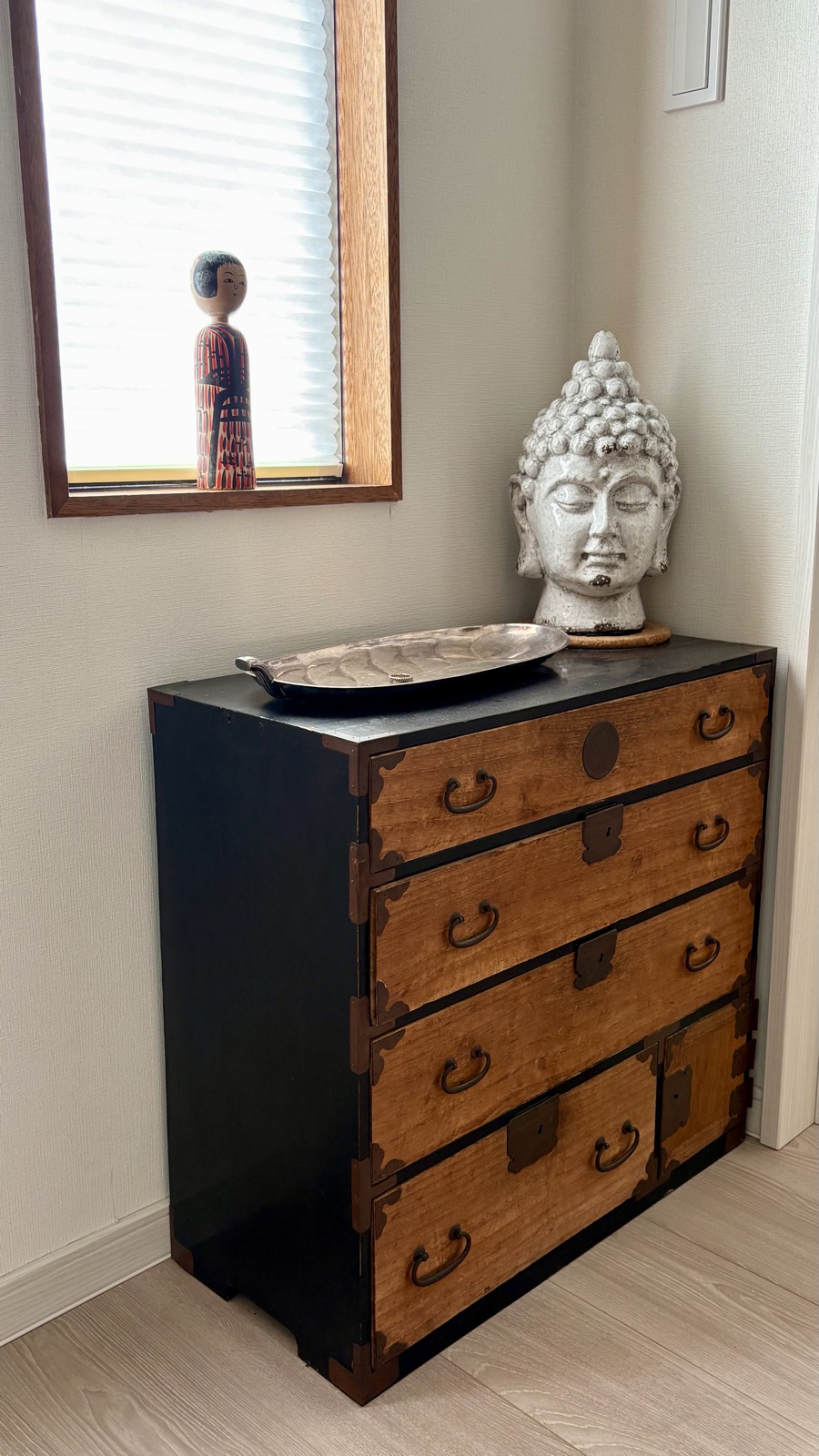
New furniture felt wrong in a 1980s wooden house. Here's how I sourced vintage tansu, antiques, and wabi-sabi pieces on Yahoo Auctions Japan — what to search for, how to spot quality, and what it actually cost.
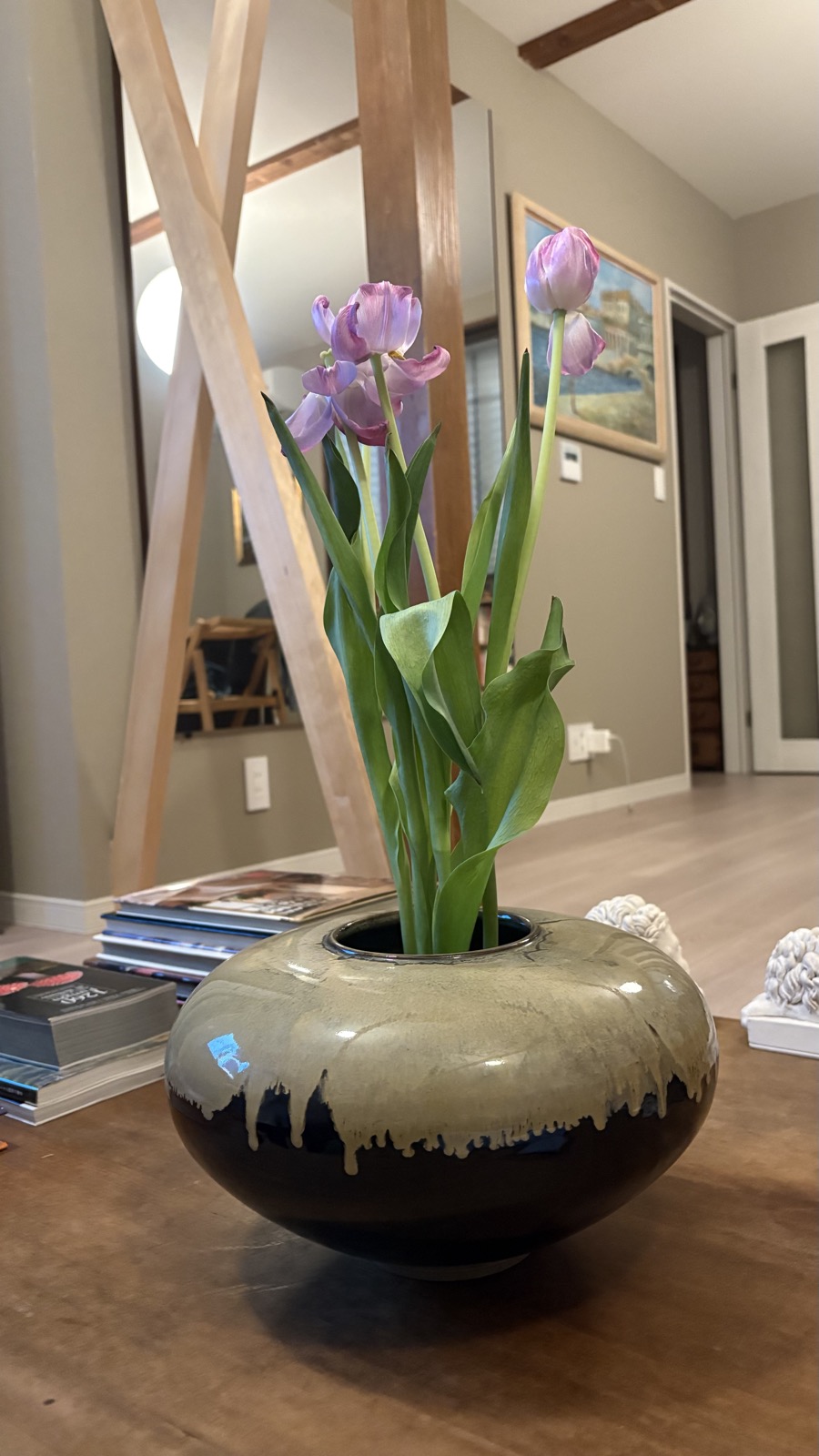
I found a beautiful ceramic vase on Yahoo Auctions for just ¥800. From unboxing to ikebana arrangement, here's how a cheap auction find became the centerpiece of our restored akiya's living room.
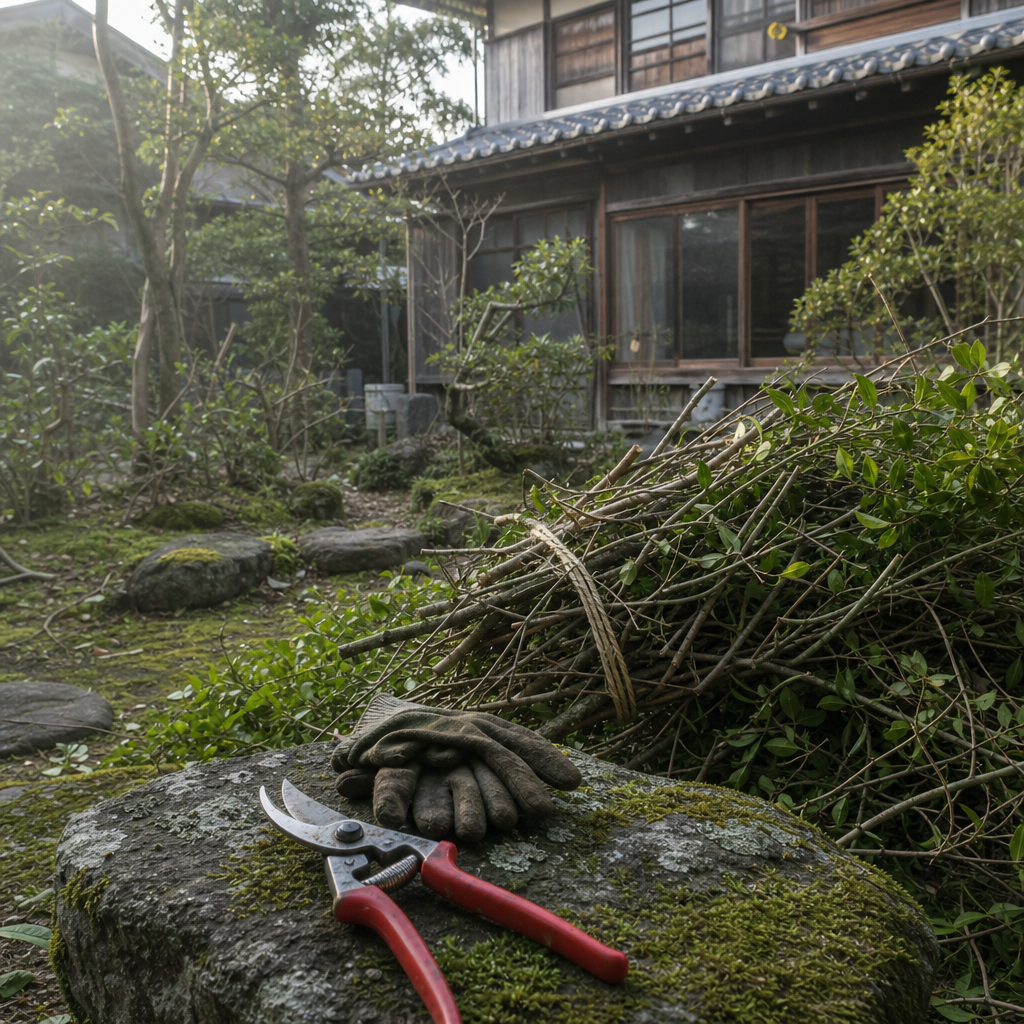
When we finally cleared our akiya's overgrown garden, the first quote was shocking. The eventual solution cost a fraction of it. Here's what we learned about waste removal in Tokyo.
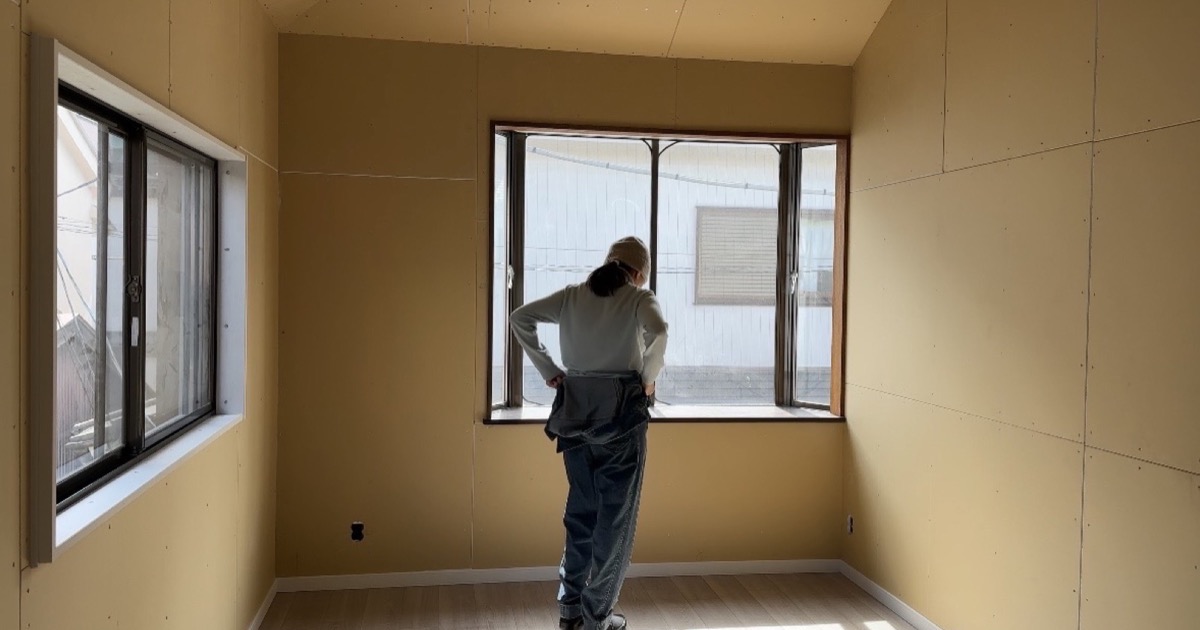
After 6 months restoring an abandoned 1980s akiya in Setagaya, Tokyo, here's everything we spent — structural work, materials, contractor surprises — and what the real timeline looked like. No idealised numbers.