Restoring an Abandoned Tokyo Akiya: The Real Costs, Timeline, and Lessons Nobody Shares
By Minseon
There are over 8 million abandoned houses — akiya (空き家) — across Japan. You’ve probably seen the articles, the YouTube videos, the Reddit threads. “Buy a house in Japan for ¥1!” “Free abandoned homes in the countryside!”
The reality is more complicated, more expensive, and more rewarding than any of those headlines suggest.
I restored a 1980s wooden akiya in Setagaya, Tokyo. Here’s what it actually took.
Finding the House
Our akiya is in Setagaya City, a residential ward in western Tokyo near Komazawa Daigaku station. It’s not a rural farmhouse in the mountains — it’s a wooden home in a Tokyo neighborhood, surrounded by other houses.
The house had been sitting empty. The garden was overgrown, the interior was dated, and decades of neglect had taken their toll. But the bones were good — solid wooden construction, traditional room layouts, and character that no new-build apartment could match.
The Structural Reality
Before you can think about aesthetics, you need to think about safety. Japan updated its seismic building codes, and any renovation needs to meet 2026 compliance standards.
For our akiya, this meant:
- Full structural assessment — understanding what was sound and what needed replacing
- Seismic X-bracing — steel and wood reinforcement at critical points throughout the frame
- Foundation repair — some of the original wooden foundation beams had rotted and needed replacement
- Complete re-insulation — the original house had minimal insulation by modern standards
This isn’t decorating. This is tearing the house down to its frame and rebuilding it from the inside out.
The Hands-On Work
I didn’t just manage the project — I did much of the finishing work myself:
- Shikkui (漆喰) application — traditional Japanese lime plaster for an entire washitsu room. This is a centuries-old technique that creates beautiful, breathable walls. It’s also incredibly labor-intensive.
- All interior wallpapering — every room, every wall, by hand
- Tile cutting and laying — the bathroom tiles were cut and placed by hand using a manual tile cutter and laser level for alignment
- Wall painting and ceiling plastering — multiple coats, in protective gear, on ladders
Sourcing Vintage Furniture
One of the most rewarding parts was furnishing the house. Every piece of furniture was sourced through Japanese auctions:
Get the akiya cost breakdown we won't publish publicly
Join for renovation numbers, contractor lessons, sourcing notes, and behind-the-scenes updates from our Tokyo akiya.
- A vintage tansu chest that now sits in the entrance
- An antique portrait that hangs in the dining area
- Coffee tables, bookshelves, and art — all secondhand, all with their own stories
- The kitchen components, including vintage-style cabinetry in sage green
This is the wabi-sabi philosophy in practice: finding beauty in imperfection, valuing objects with history, and giving old things new purpose.
What It Costs
I won’t share exact total numbers, but here’s what I can tell you:
- The akiya purchase price was a fraction of what a new-build apartment costs in the same area
- Structural/seismic work was the single largest expense — specialized builders aren’t cheap
- Materials (insulation, drywall, plaster, paint, tiles) add up quickly
- Waste disposal can be shockingly expensive if you use private companies (we learned this the hard way)
- Vintage furniture was surprisingly affordable through Japanese auction sites
The total renovation cost was significant, but still far less than buying an equivalent-sized new property in Setagaya.
The Timeline
From acquisition to livable took about a year of active work. The seismic reinforcement and structural work took the longest. The finishing — plaster, paint, wallpaper, tiling — went faster but was physically exhausting.
Was It Worth It?
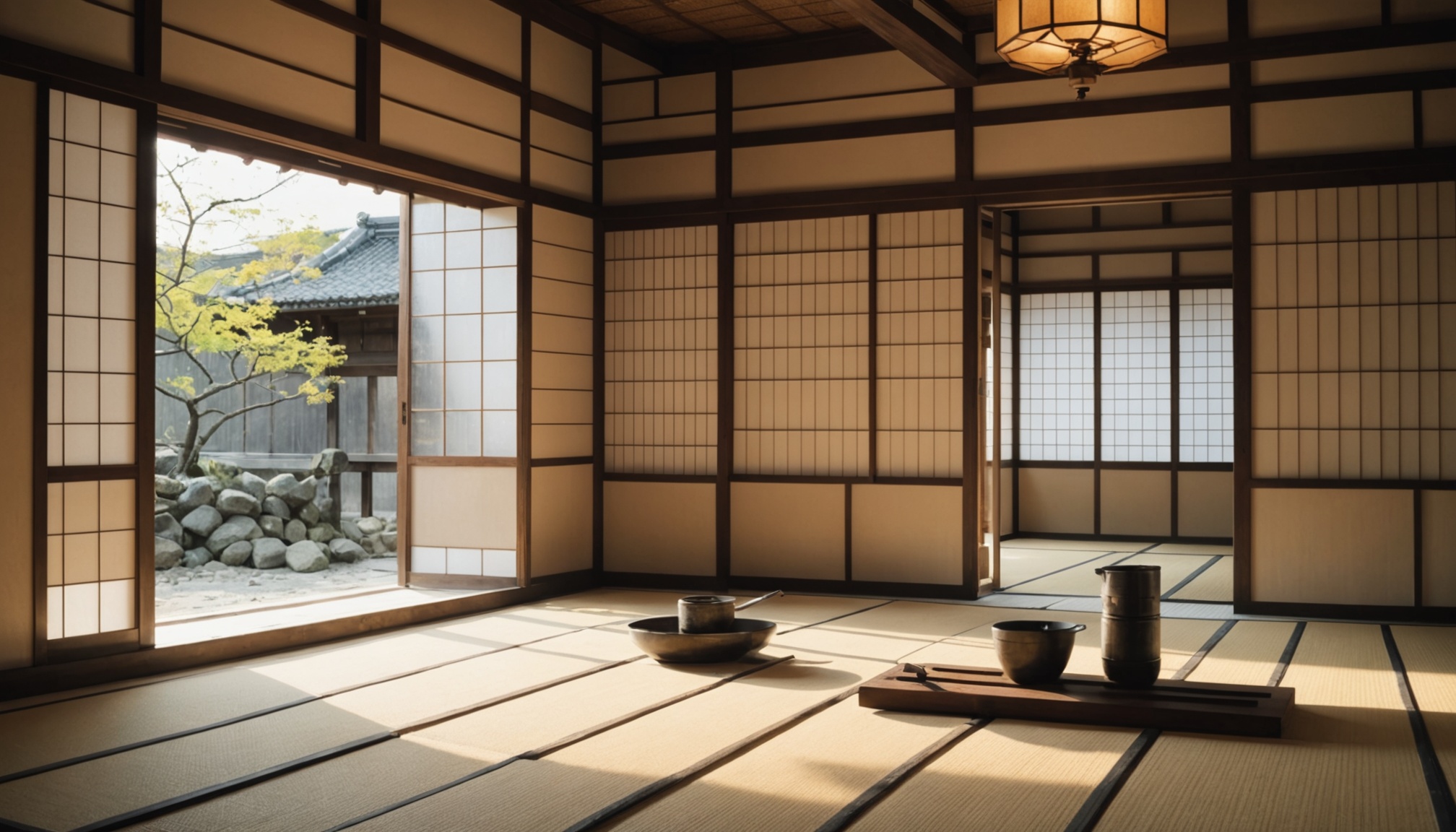
Absolutely. We now live in a home with character, history, and soul that no new construction can offer. Every room tells a story. The exposed wooden beams, the hand-plastered washitsu walls, the vintage furniture — it all comes together into something that feels alive.
That’s why we’re opening our doors for tours. We want to share this experience with people who understand — who feel something when they step into an old house and see its potential.
Visit Our Akiya
Tours are opening in April 2026. Small groups of up to 6 guests. We’ll meet at Komazawa Daigaku station and walk together to the house. Available in English, Italian, Japanese, and Korean.
Book a tour on Airbnb to see it in person.
Related reading: Can foreigners buy an akiya in Japan? · How to find an akiya in Japan · What is a kominka?
Get the akiya cost breakdown we won't publish publicly
Join for renovation numbers, contractor lessons, sourcing notes, and behind-the-scenes updates from our Tokyo akiya.
Want the real akiya numbers, not just the pretty photos?
Subscribe for renovation cost breakdowns, contractor lessons, antique finds, and the next story before casual visitors see it.
No spam. Just the strongest restoration stories, real costs, and occasional tour news.