The Outdoor Space Trap: What Nobody Tells You About Akiya Garden Clearance
By Minseon
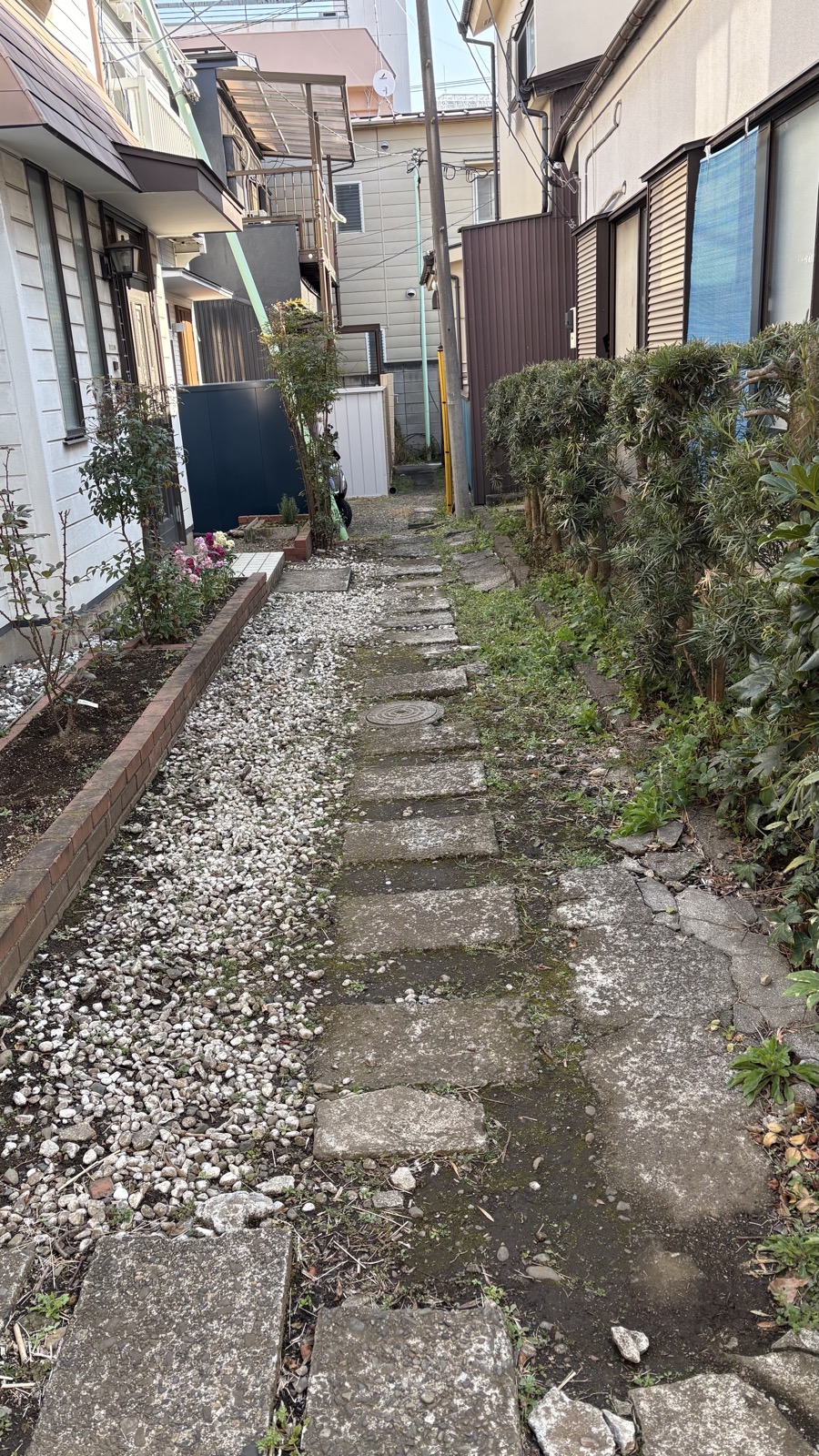
When we first saw our akiya in Setagaya, the outdoor space was completely overgrown. Weeds had taken over the stone pathway, wild plants were growing through every crack, and decades of neglect had turned what was once a simple Japanese garden entrance into something close to a jungle.
We knew the interior restoration was the priority, but eventually we had to deal with the outside too. What followed was one of the most frustrating — and ultimately educational — parts of our entire restoration journey.
The Problem
The garden was filled with small decorative pebbles, overgrown plants, and compacted soil that had accumulated over decades. None of it could stay if we wanted to lay new tiles and create a proper entrance path.
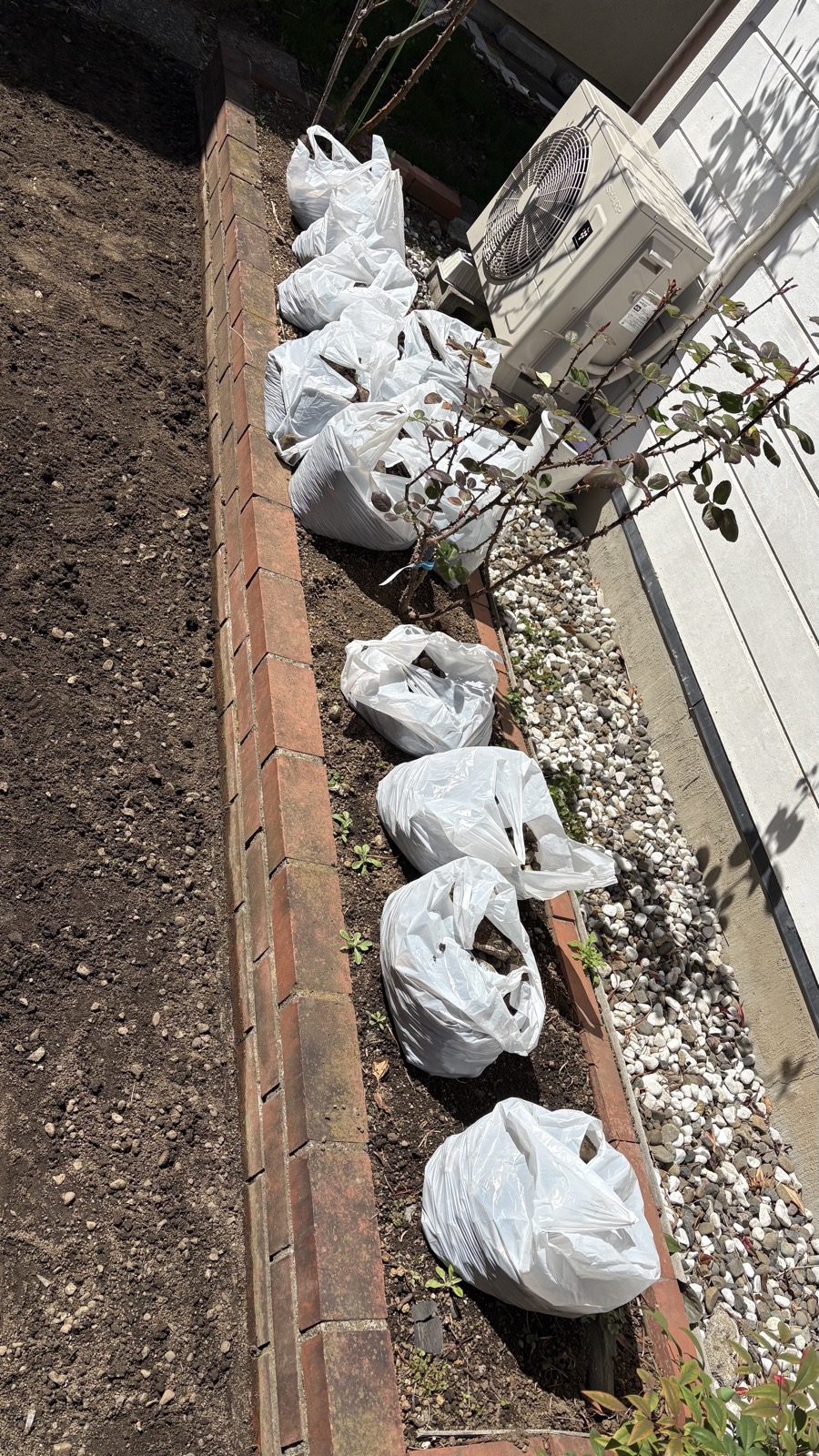
We spent days collecting pebbles by hand, pulling out plants, and bagging everything up. By the time we were done, we had a considerable weight of pebbles, soil, and garden waste sitting in bags outside our front door.
Now we just needed to get rid of it. Simple, right?
The First Quote
We called a private waste removal company — the kind you find easily online in Tokyo. They came, looked at our bags, and quoted us a price per kilogram that made us both go quiet.
The total estimate was more than some of our interior renovation phases had cost. For pebbles.
Finding a Better Way
We weren’t going to pay that, so we started calling around. The local waste disposal center told us we could bring the material to their facility ourselves — they weigh your vehicle on the way in and out, and charge by weight.
Get the akiya cost breakdown we won't publish publicly
Join for renovation numbers, contractor lessons, sourcing notes, and behind-the-scenes updates from our Tokyo akiya.
The problem: we don’t have a car.
When we explained our situation, they offered another option — a pickup service. They would send someone to our place with a scale, weigh the bags on-site, load everything up, and haul it away.
The Result
The waste disposal service came, weighed everything, loaded it onto their truck, and drove away.
The cost was a small fraction of the first quote. The difference was striking enough that we still talk about it.
The Lesson
If you’re restoring an akiya in Japan, don’t accept the first quote for waste removal. Private companies charge significant premiums for convenience. Municipal or semi-public waste disposal services are dramatically cheaper, and many offer pickup options even if you don’t have a vehicle.
What we’d recommend:
- Call your local waste disposal center first — not a private company
- Ask about pickup services — many will come to you
- Separate your waste — pebbles, soil, and plant matter may have different disposal rules
- Get multiple quotes — the spread between private and public services can be very large
What’s Next
We’ve ordered tiles online and will be laying them in the coming days to create a clean, welcoming entrance path. The transformation from overgrown jungle to a proper wabi-sabi entrance is almost complete.
If you want to see the finished result in person, book a tour on Airbnb.
Related reading: How to find an akiya in Japan · The hidden costs of restoring an akiya · What is akiya restoration?
Get the akiya cost breakdown we won't publish publicly
Join for renovation numbers, contractor lessons, sourcing notes, and behind-the-scenes updates from our Tokyo akiya.
Want the real akiya numbers, not just the pretty photos?
Subscribe for renovation cost breakdowns, contractor lessons, antique finds, and the next story before casual visitors see it.
No spam. Just the strongest restoration stories, real costs, and occasional tour news.