An 800 Yen Auction Vase Became the Centerpiece of Our Akiya Living Room
By Minseon
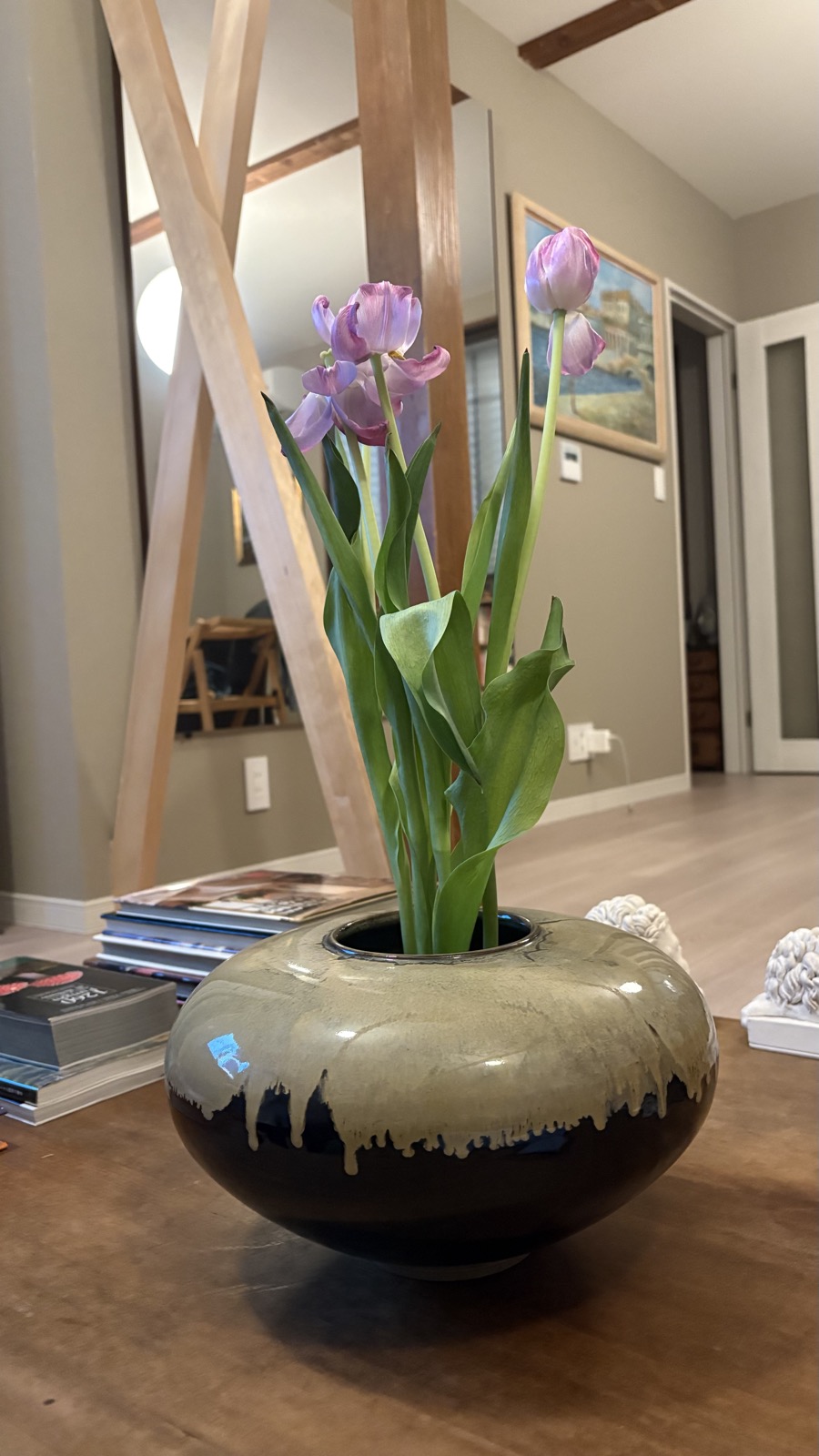
When you’re restoring an akiya, every piece of furniture and decor tells a story. Some of the best pieces in our home didn’t come from expensive interior design shops — they came from Japanese online auctions, where beautiful things are waiting for someone to give them a second life.
This is the story of how I found a ceramic vase for ¥800 (about $5), and how it became the centerpiece of our living room.
The Find
I browse Yahoo Auctions regularly, looking for ceramics and vintage pieces that fit the wabi-sabi aesthetic of our restored akiya. Most of what I find is overpriced or unremarkable, but every once in a while something stops me mid-scroll.
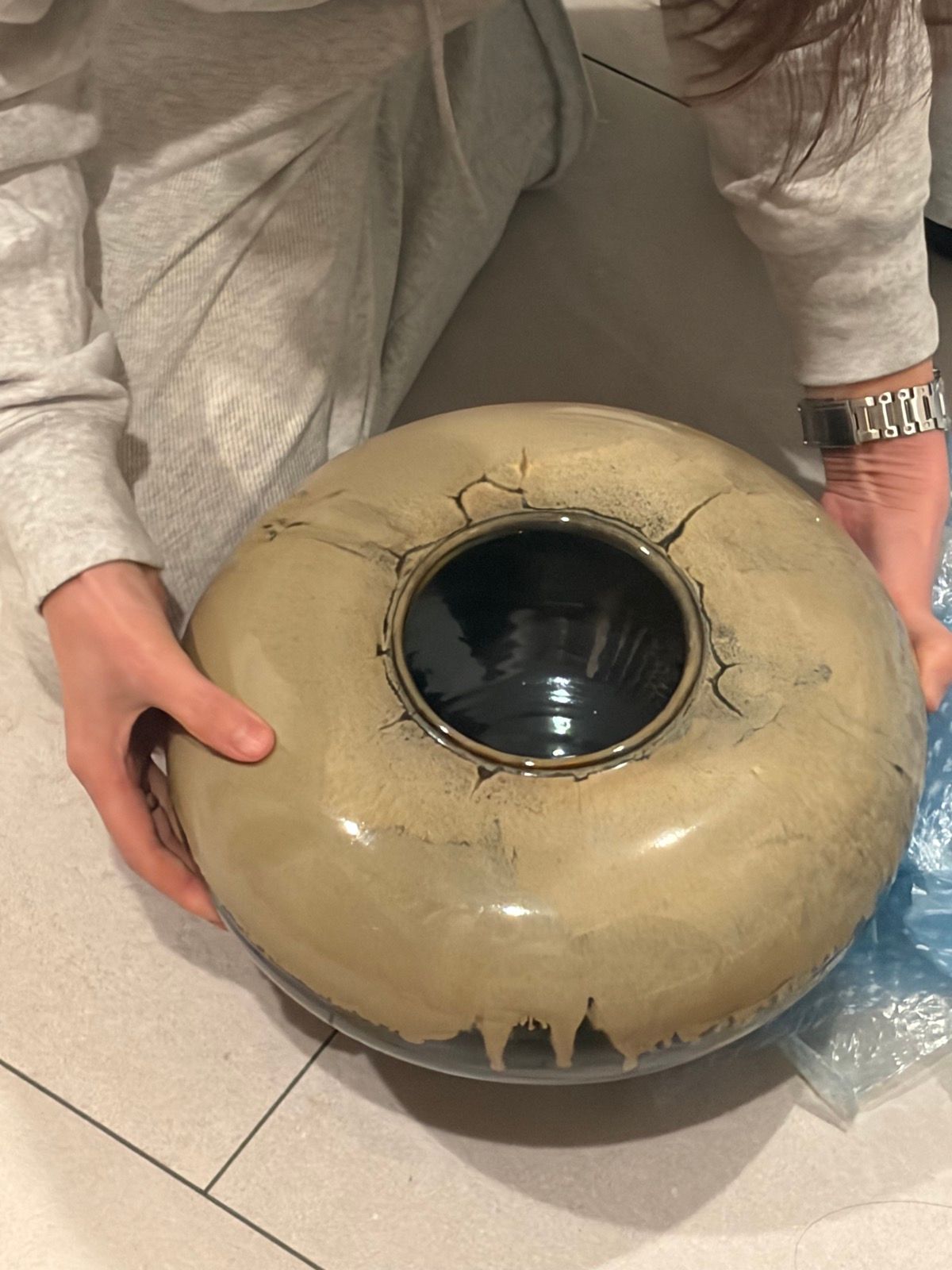
This vase was one of those moments. A squat, round ceramic piece with a two-tone glaze — earthy sage green on top flowing into deep black below, with beautiful drip marks where the glazes meet. The listing said “花瓶 花器 壷 在銘有 インテリア” (vase, flower vessel, signed, interior decor). The bidding was at ¥800. Shipping to Tokyo was ¥1,140.
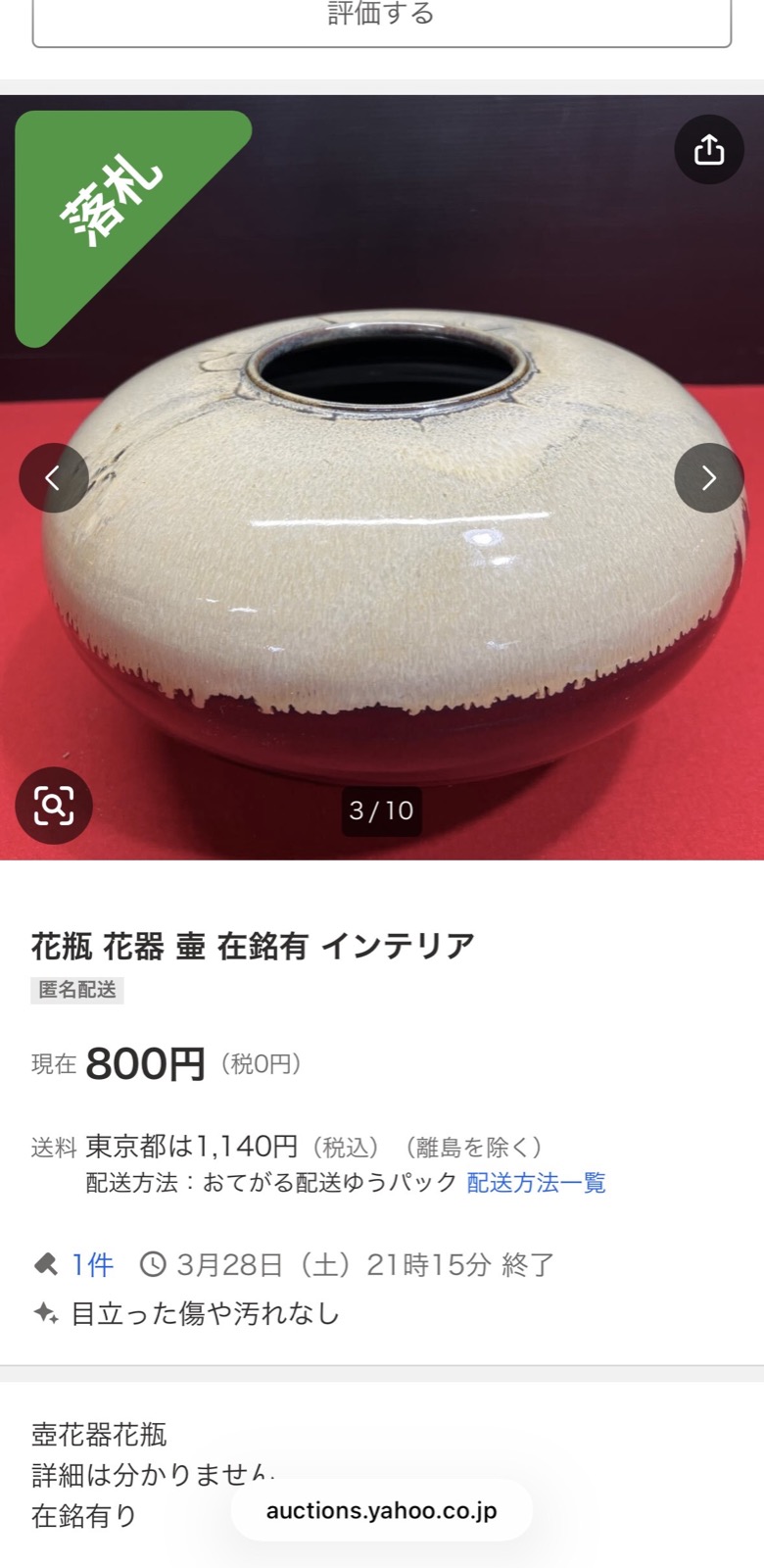
I placed my bid and won. Total cost: ¥1,940 including shipping. Less than a bowl of ramen at some Tokyo restaurants.
The Unboxing
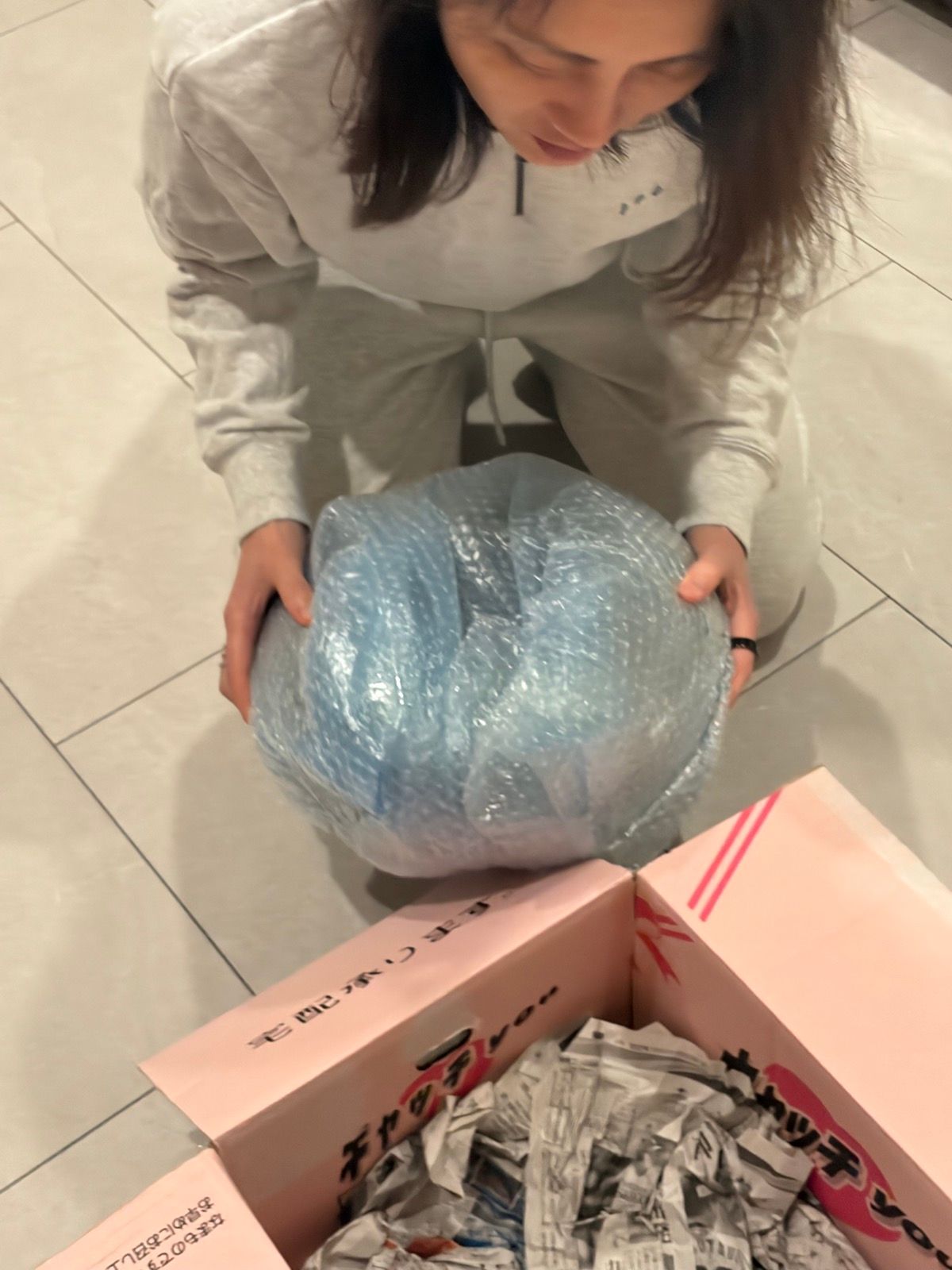
A few days later, a box arrived covered in red “こわれもの” (fragile) stickers. The seller had packed it with serious care — a sturdy outer box, then a pink gift box inside, then layers of newspaper, then bubble wrap around the vase itself.
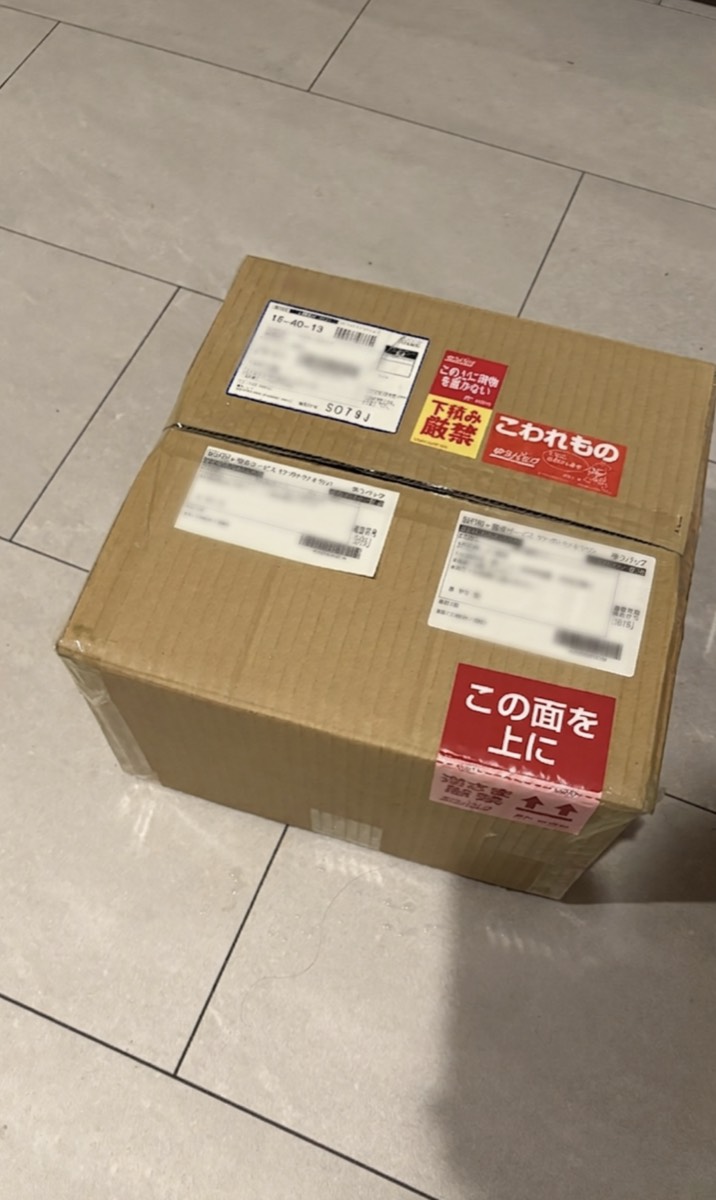
Opening it felt like a small ceremony. I sat on the kitchen floor and started cutting through the tape.
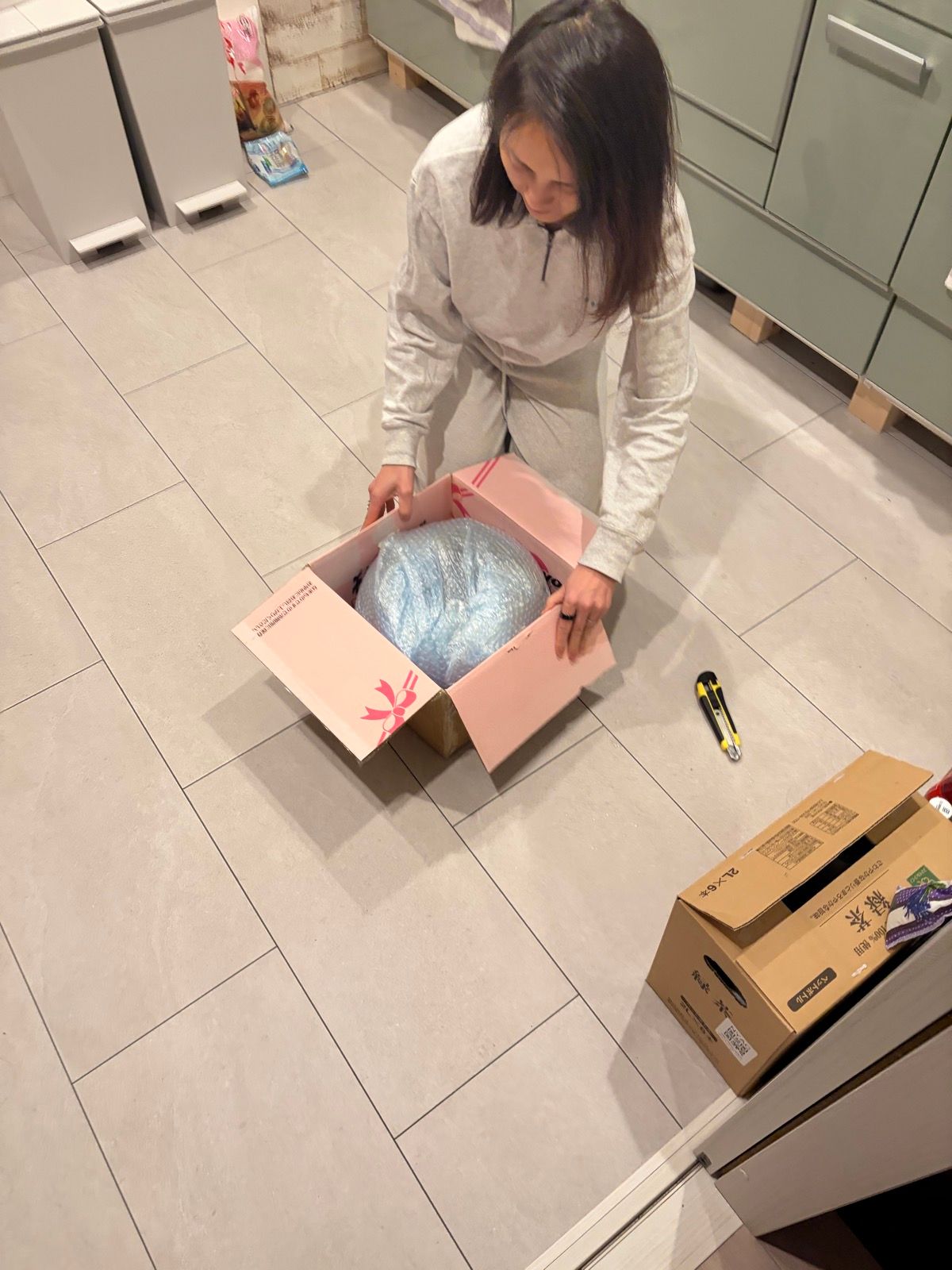
The bubble wrap came off layer by layer. You never quite know with auction purchases — photos can be misleading, descriptions can be generous. But as the first glimpse of glaze appeared through the wrap, I could already tell the colors were even richer than the listing photos showed.
Get the akiya cost breakdown we won't publish publicly
Join for renovation numbers, contractor lessons, sourcing notes, and behind-the-scenes updates from our Tokyo akiya.
The Reveal
The vase was perfect. No chips, no cracks — just a beautifully crafted piece with a crackle glaze pattern that gives it the kind of aged character you can’t manufacture. The sage-green top has fine crackling lines running through it, and where the glaze transitions to black, there are irregular drip marks that make every angle different.
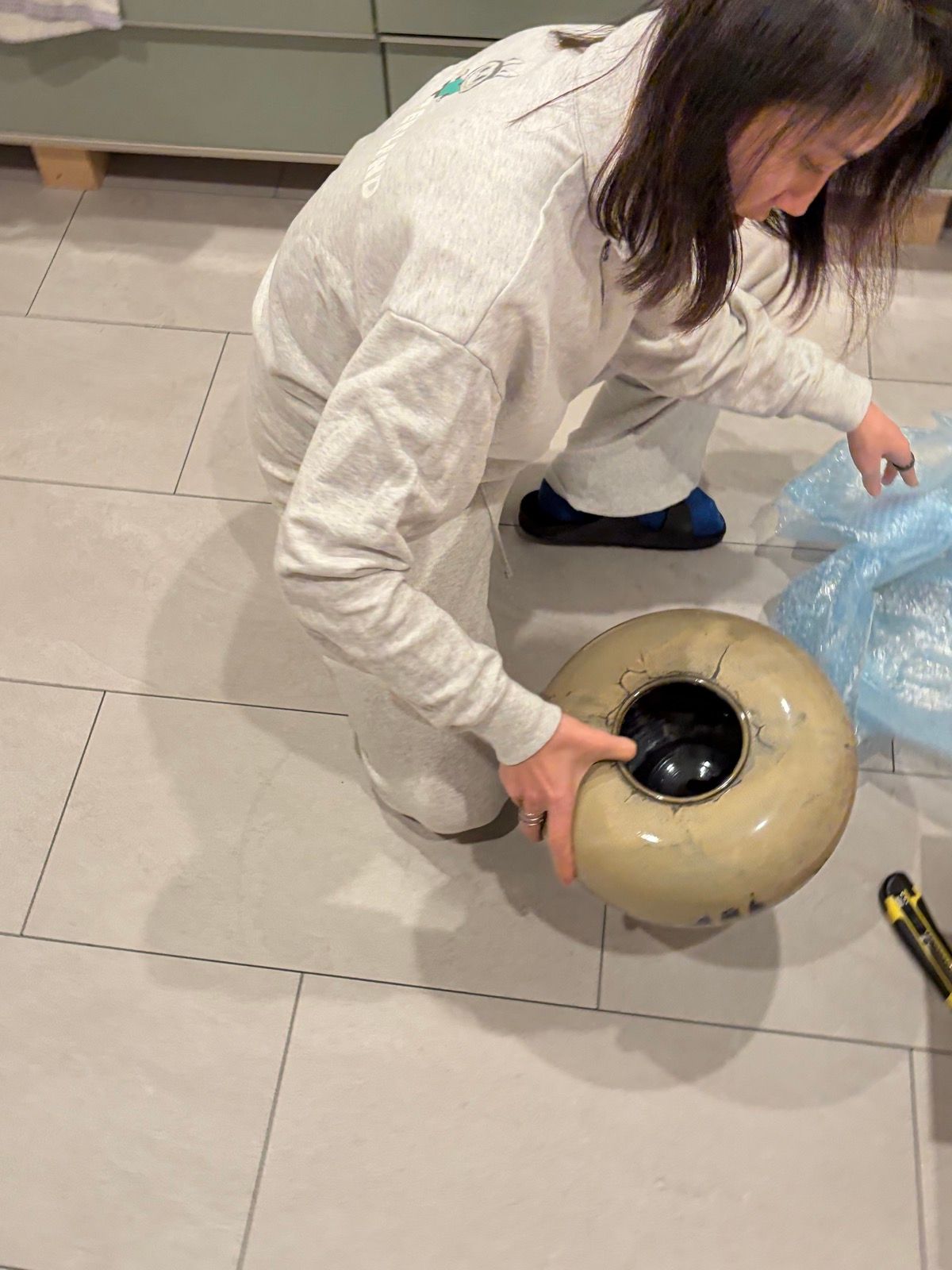
The opening is just wide enough for a few stems — clearly designed as a flower vase, not just decorative. The base is signed, confirming it was made by hand rather than mass-produced.
From Vase to Ikebana
A beautiful vase needs flowers. I picked up a small bunch of purple tulips — their soft color contrasts perfectly with the earthy glaze. I kept the arrangement simple and vertical, letting the vase itself be the main character. In ikebana, less is always more.
The living room table in our akiya sits in front of the exposed wooden cross-braces that are one of our favorite structural features. With the vase, the tulips, and the natural light coming through the high ceiling, this corner of the house finally felt complete.
Why Auctions Work for Akiya Decor
Restoring an akiya isn’t just about walls and floors — it’s about filling the space with objects that have their own history. Japanese online auctions are full of ceramics, lacquerware, and vintage items that are being sold because someone’s clearing out a family home or downsizing.
These pieces already have the patina and character that matches an old wooden house. They belong in a space like ours in a way that new furniture from a catalog never quite can.
Here’s what I’ve learned from auction hunting:
- Search in Japanese — listings with only Japanese text have fewer international bidders and lower prices
- Check the seller’s other items — estate sale sellers often list dozens of pieces at once, and you can combine shipping
- Read “在銘有” (signed) — it usually means handmade, not mass-produced
- Factor in shipping — fragile items cost more to ship, but ¥1,140 for careful packaging is worth it
- Be patient — I browse for weeks before bidding on anything
Our ¥800 vase now sits in the center of the living room, holding fresh flowers every week. It’s one of the first things guests notice when they walk in.
If you want to see it in person — along with the rest of our restored akiya — book a tour on Airbnb.
Related reading: How I furnished our restored akiya using Yahoo Auctions Japan · What is a tatami room? · What is shikkui?
Get the akiya cost breakdown we won't publish publicly
Join for renovation numbers, contractor lessons, sourcing notes, and behind-the-scenes updates from our Tokyo akiya.
Want the real akiya numbers, not just the pretty photos?
Subscribe for renovation cost breakdowns, contractor lessons, antique finds, and the next story before casual visitors see it.
No spam. Just the strongest restoration stories, real costs, and occasional tour news.