What Ikebana Taught Me About Akiya, Meditation, and Living in Japan
By Minseon
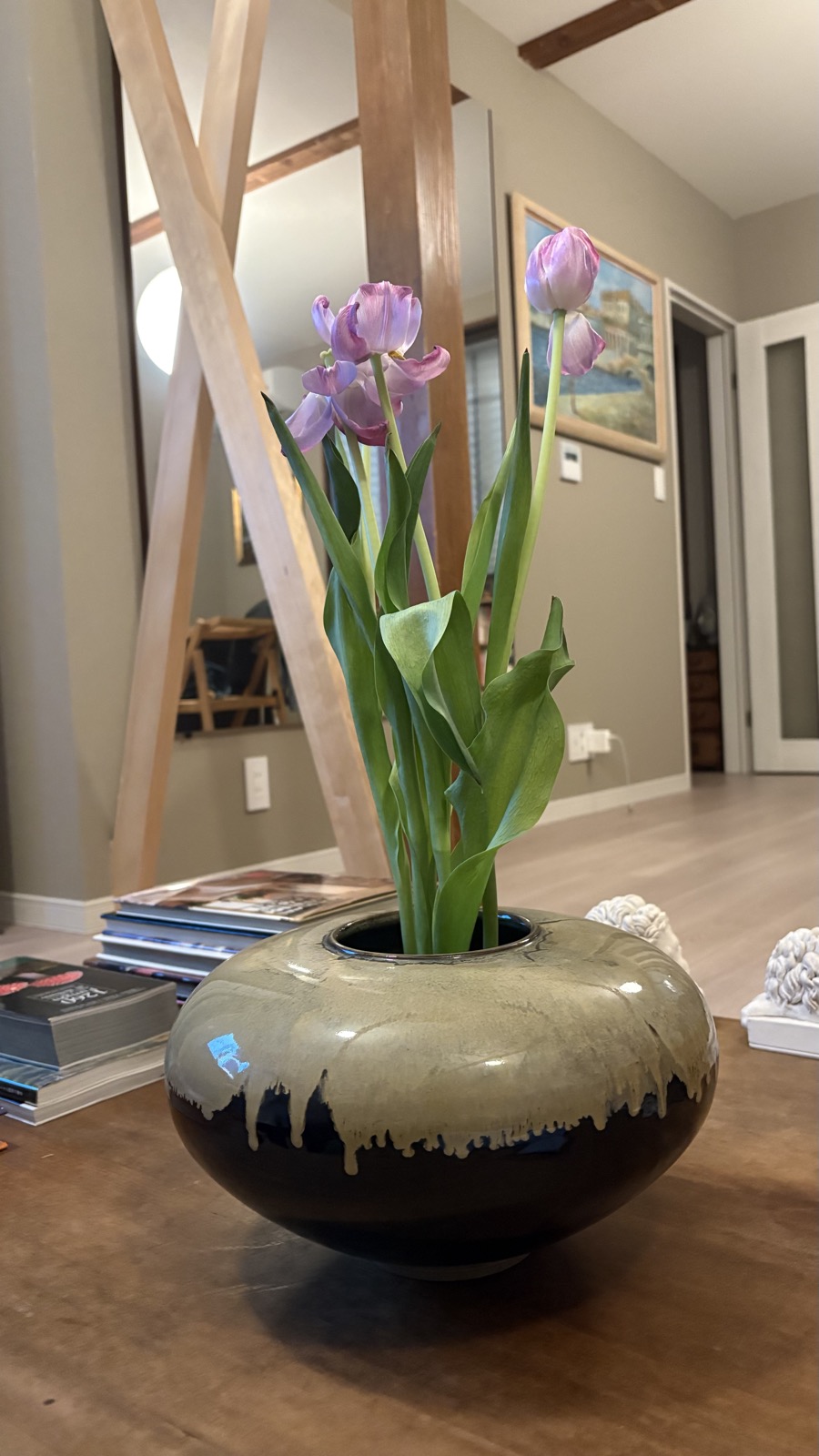
When people first hear the word akiya, they usually think about property: abandoned houses, renovation budgets, paperwork, and whether buying in Japan is really possible as a foreigner.
All of that matters. But once you actually live with an old house, you realize something else: the deeper appeal is not only financial or architectural. It is emotional. It is the way a space can change how you move, what you notice, and how much room you leave for stillness.
That is what I was thinking about while arranging flowers today.
A Small Arrangement, A Different Pace
Ikebana can look simple from the outside. A branch, a few stems, some empty space. But the simplicity is the whole point.
You stop rushing. You pay attention to line, balance, weight, and silence. You notice how one stem leans toward the light, how one flower opens more than another, how too much arrangement can make something less beautiful instead of more.
In that way, ikebana feels very close to meditation. Not because it is dramatic or mystical, but because it asks for presence.
You cannot really do it well while distracted.
What This Has To Do With Akiya
Restoring and living in an akiya has taught us a similar lesson.
An old Japanese house does not always reward speed. It rewards observation. You start noticing the texture of old wood, the way natural light changes through the day, the value of a room that is not filled with unnecessary things. Even the imperfections begin to feel important.
Get the akiya cost breakdown we won't publish publicly
Join for renovation numbers, contractor lessons, sourcing notes, and behind-the-scenes updates from our Tokyo akiya.
That mindset is part of what draws us to akiya life in the first place.
These homes are not interesting because they are trendy. They are interesting because they ask you to see beauty differently. A weathered beam, a quiet corner, a handmade ceramic vase, an arrangement of seasonal flowers on a low table — these things can completely change the feeling of a room.
Living in Japan Beyond the Checklist
There is a version of “life in Japan” that gets reduced to checklists: where to live, what visa you need, how much a property costs, what to renovate first.
Those are useful questions, and we write about them often because they help people take action.
But there is another side of living here that matters just as much. It is slower and harder to measure. Learning to appreciate seasonality. Leaving space in a room instead of filling it. Understanding that calm can be part of daily life, not just something reserved for holidays or retreats.
For us, ikebana is a small expression of that.
Why We Share This on Akiya Tour
Akiya Tour is not only about showing abandoned houses or talking about buying property in Japan. It is also about sharing the lifestyle around these spaces — the atmosphere, the values, and the rhythms that make an old home feel meaningful.
When people join us, we want them to see more than a real-estate opportunity. We want them to feel what it is like to imagine a different kind of home and a different kind of pace.
Sometimes that starts with a renovation story.
Sometimes it starts with a vase and a few flowers.
If you are curious about akiya, Japanese homes, and the quieter beauty of living in Japan, you can explore more of our story on the blog or join us on an Akiya Tour.
Related reading
Get the akiya cost breakdown we won't publish publicly
Join for renovation numbers, contractor lessons, sourcing notes, and behind-the-scenes updates from our Tokyo akiya.
Want the real akiya numbers, not just the pretty photos?
Subscribe for renovation cost breakdowns, contractor lessons, antique finds, and the next story before casual visitors see it.
No spam. Just the strongest restoration stories, real costs, and occasional tour news.