What Is a Kominka? Japan's Traditional Farmhouses and the People Restoring Them
By Minseon
When I tell people I restored an old house in Tokyo, the first thing many ask is: “Is it a kominka?”
It’s a fair question. The word has a certain romance to it — earthy, weighty, steeped in history. My home is a 1980s wooden house in Setagaya, so technically no, it isn’t a kominka. But every time someone asks, I find myself thinking about why the question feels so right. There’s something in the spirit of what I did — and what kominka restorers do — that comes from the same place.
So let me tell you what a kominka actually is, why they’re vanishing, and why people are working so hard to save them.
What Does Kominka Mean?
The word 古民家 (kominka) literally means “old private house.” In practice, it refers to traditional Japanese homes built before World War II — mostly rural farmhouses, but also merchant townhouses and rural estate buildings. They’re found across the Japanese countryside: in mountain villages, along river plains, tucked into cedar forests.
What makes them unmistakable is their construction. The bones of a kominka are heavy wooden beams, often left exposed, blackened over decades by hearth smoke. The floors shift from smooth tatami rooms to a doma — an earthen-floor area near the entrance where people once worked, cooked, and stabled animals. Roofs are steep and dramatic, originally thatched with miscanthus grass, later often replaced with clay or metal tiles. The walls are layered plaster over woven bamboo lath, with sliding shoji screens filtering light in a way that no modern window quite replicates.
These weren’t built by architects. They were built by communities, using materials from the land around them, refined over generations. That’s part of what gives them their feeling.
Kominka vs. Akiya: Not the Same Thing
This is a distinction worth understanding, especially if you’re exploring Japan’s housing landscape.
Akiya (空き家) simply means vacant or abandoned house. It’s a condition, not a style. Japan has millions of akiya — an estimated one in seven homes sits empty — and they range from brand-new prefab houses to crumbling century-old farmsteads. Many kominka are also akiya, abandoned because their owners aged out, moved to cities, or left no heirs willing to maintain them. But not all akiya are kominka. My Setagaya house is akiya; it is not kominka.
Get the akiya cost breakdown we won't publish publicly
Join for renovation numbers, contractor lessons, sourcing notes, and behind-the-scenes updates from our Tokyo akiya.
Kominka is about what a building is. Akiya is about what happened to it.
Why Are They Disappearing?
The reasons are layered and sad, the way most disappearances are.
Kominka were built for a different way of life. The wide earthen doma, the drafty shoji screens, the lack of insulation — these things made sense when families lived close together and gathered around a central hearth. Today, they’re cold in winter, expensive to heat, and costly to maintain. A sagging roof or rotting beam can require serious structural work that many families simply can’t afford.
Then there’s the inheritance problem. When an elderly owner passes away, their children — who likely moved to Osaka or Tokyo decades ago — often have no interest in taking on a rural property they’d have to completely renovate before it was livable. The house sits empty. The roof starts to leak. The garden goes wild. After a few years, what was once someone’s home becomes something people whisper about as they drive past.
Japan’s rapid urbanization after the war accelerated all of this. The countryside emptied out. The houses stayed behind.
A Growing Movement to Save Them
Here’s the part that gives me hope.
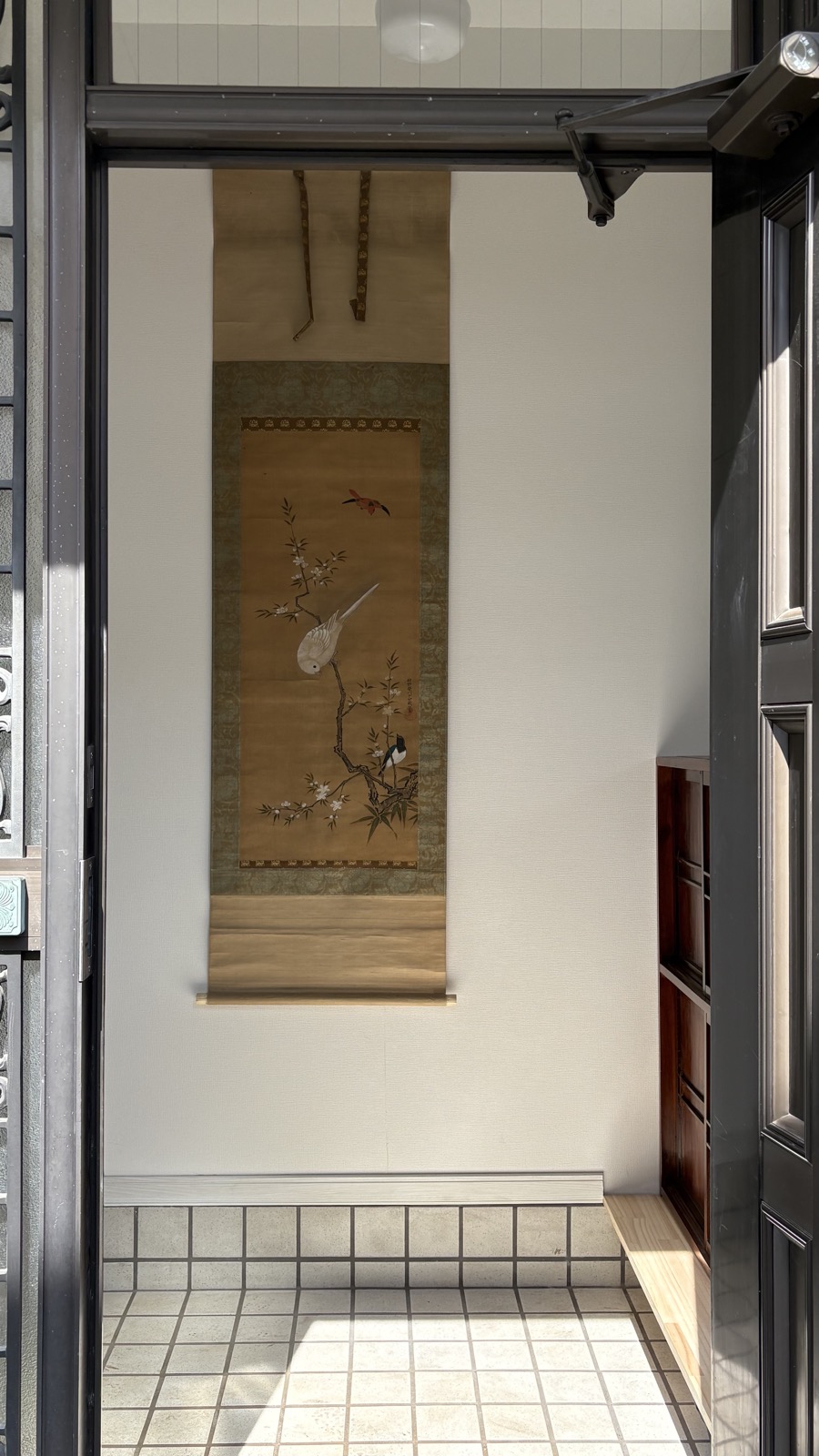
In the last decade or so, something has shifted. Young people — some Japanese, many from overseas — have started seeing kominka not as liabilities but as opportunities. A growing number are buying or renting abandoned farmhouses, learning traditional carpentry, and turning neglected structures into something alive again: guesthouses, cafés, pottery studios, family homes.
Renovation tourism has become a real phenomenon, with people traveling specifically to stay in restored kominka and understand what daily life once felt like in rural Japan. Some municipalities are actively matching would-be restorers with empty properties, recognizing that a lived-in kominka does more for a village than an empty one ever could.
There’s something deeply human in this impulse. These buildings hold a kind of memory — of how to work with wood, how to read the seasons, how to build something meant to last. Letting them vanish feels like losing a language.
The Spirit Connects Us
My house in Setagaya is not a kominka — no smoke-blackened beams, no doma floor. It was a modest 1980s wooden structure that had simply been left behind.
But the feeling that drove me to restore it is the same feeling I hear from everyone who takes on an old Japanese home, kominka or not. Something overlooked still has value. The story of a place isn’t over just because the last person walked away.
That’s what I try to share when people visit.
Come See What That Looks Like
If you’re curious about what it feels like to walk through a restored old Japanese home — to see how the work shows in the details, to hear the story of a Tokyo akiya brought back to life — I’d love to show you.
Join me for a tour of my restored home in Setagaya →
Related reading: What is shikkui? Japan’s traditional lime plaster · What is a tatami room? · What is akiya restoration?
Get the akiya cost breakdown we won't publish publicly
Join for renovation numbers, contractor lessons, sourcing notes, and behind-the-scenes updates from our Tokyo akiya.
Want the real akiya numbers, not just the pretty photos?
Subscribe for renovation cost breakdowns, contractor lessons, antique finds, and the next story before casual visitors see it.
No spam. Just the strongest restoration stories, real costs, and occasional tour news.